What is CSW?

Ananya Choyal
By -
Content
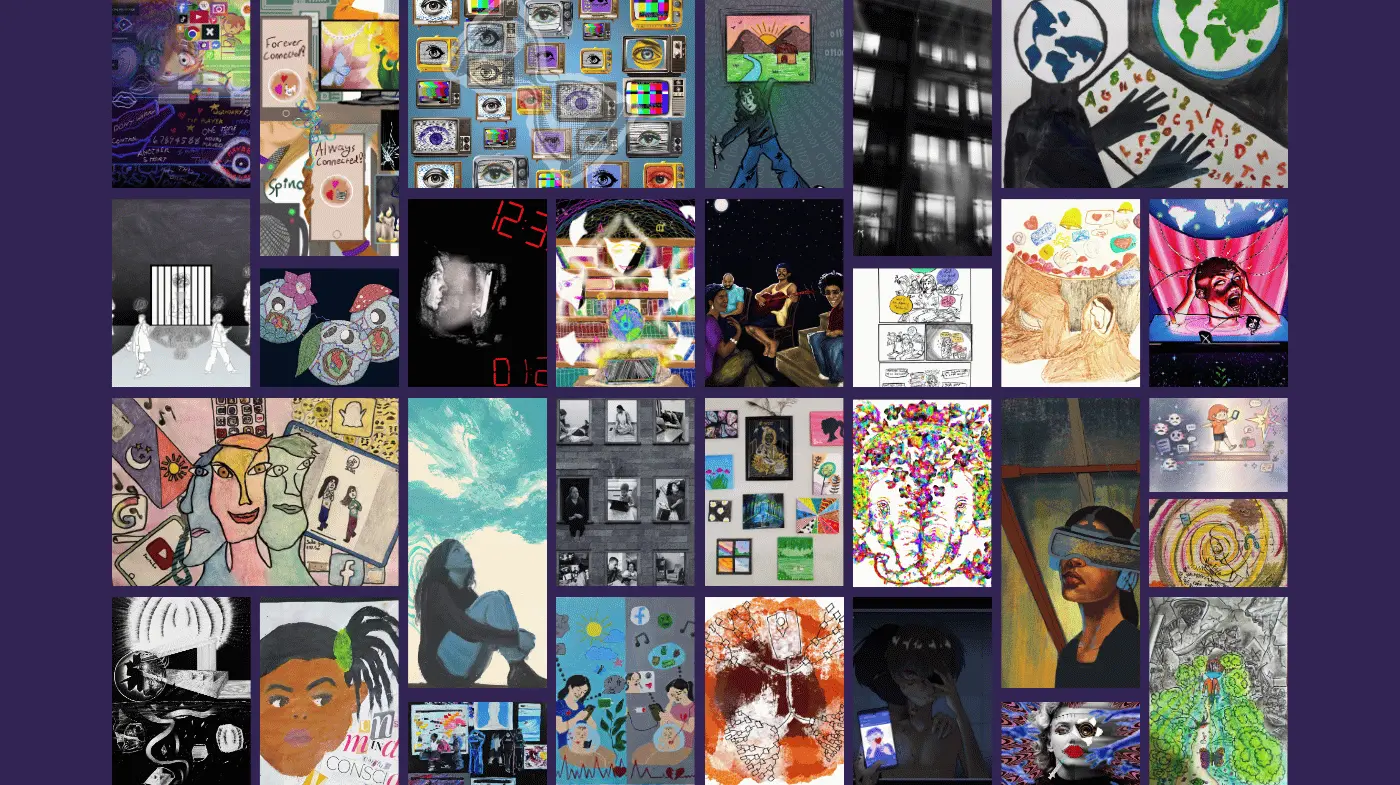
On 12 August, International Youth Day, DTH-Lab launched the Being Online: Digital Gallery in partnership with the Global Mental Health Action Network (GMHAN). The gallery forms part of the Lab’s efforts to make young people’s digital well-being a global public health priority. Ananya Choyal, DTH-Lab Policy and Research Associate and gallery curator, reflects on what the artworks tell us about growing up in a digital world.
“The digital world may be turning less human, but it will only crumble down without human creativity as its essence. So despite all odds, I imagine, I dream, and I create, because that’s what makes me human. I just need to hang in there.“ – Reva Sawant, Being Online, Hanging in There.
The concept of Being Online began with conversations with our Regional Youth Champions about how we could better engage young people around digital determinants of health. They encouraged us to think beyond our usual methods of consultations and surveys and create space for young people to respond creatively.
Art was important to this method. So much of our work happens through research, consultations and policy language. But experiences of being online can be emotional, contradictory and deeply personal and language can sometimes reach its limits in capturing them. Art offers another way to express these experiences and imagine alternative futures. It gives us a different kind of knowledge that can sit alongside research and policy.
In December 2025, we launched a global call inviting young people under 30 to show us what being online meant to them through art. Following more than 100 submissions from nearly 40 countries, 41 artworks from 21 countries were selected for the final gallery. Through illustration, painting, photography, collage and other creative forms, young people explore how digital environments shape their identities, relationships, health and well-being.
What are young people telling us about being online?
The final collection gives us 41 different and sometimes surprisingly similar, ways of seeing and experiencing life in a digital world.
As I curated the collection alongside RYCs Nada Zammel and Melanie Kuhrn, seven broad themes began to emerge: Between Digital and Physical Worlds; Digital Overload and Disconnection; Self-image and Well-being; Identity, Privacy and Belonging; Emotions Online; Connection, Friendship and Support Online; and Striving for Balance.
Digital overload and disconnection emerged as one of the strongest themes. Many young people described the emotional and cognitive impact of constant connectivity, endless notifications, information overload and algorithm-driven platforms. Several artworks depict digital environments as noisy, relentless and difficult to disconnect from.
While digital overload was strongly present in the gallery, we also saw young people thinking about balance, expressing joy and other emotions online, and showing digital spaces as places of friendship, support, creativity and genuine connection.
Digital well-being has been visually described as a spectrum in the gallery, with digital overload on one end and connection, friendship and support on the other. But young people do not occupy a fixed place on this spectrum. They move between different states, with uncertainty, fear, joy and hope showing how precarious navigating digital environments can be.
Reva Sawant’s “Hanging in There” talks about the fear of the digital world turning less human, while Sena Vardar in their piece “Digital Life Erases My Pain” describes digital environments as an equalizer for those with chronic illness. We wanted these contradictions to come through clearly in the gallery and show the broad range of emotions that digital environments evoke. There is fear about the future but also about the current state of privacy online. Alongside this is the hope of striking a balance between online and offline worlds by nurturing real-life relationships and taking time to disconnect.
The struggle to clearly separate on- and offline worlds also comes through in artworks. For example, Cahaya Listian Putri’s artwork “Digital Human” or Vedika Bhoye’s “When My Objects Don’t Behave” show just how entangled the two have become. In fact, some works call into question the idea that they are separate worlds at all. Damilola Kayode in their artwork titled “The Cost of Scrolling” describes time as a currency, split between constant digital engagement and personal growth and well-being. This makes the question of how we spend our time online not simply one of individual behaviour but also of platform design: the constant pull of algorithms complicates the seemingly simple choice between good and bad decisions. The pieces in the gallery show the complicated relationships that young people share with digital spaces.
No neat boxes
The themes helped us organize the gallery but they were never meant to be neat boxes. In fact, the more time we spent with the artworks, the harder some became to categorize. An artwork about digital overload could also be about mental health and well-being. Something about isolation could also be about connection. Several artworks moved between online and physical worlds so easily that separating the two didn’t really make sense.
This kind of nuance is particularly important. A lot of conversations about young people and digital environments still ask us to decide whether technology is good or bad, whether it connects or isolates us or whether young people are benefiting from it or being harmed by it.
That isn’t what we saw in the gallery.
Instead, we saw young people navigating their own relationships with technology: sometimes wanting to switch off, sometimes wanting to stay connected, sometimes finding community online and sometimes feeling completely overwhelmed by it. These contradictions are part of what it feels like to be online today.
What does that ask of research and policy?
“Strangest of all, we’ve never been more connected, yet loneliness feels industrial – because attention is not intimacy, metrics are not meaning, and algorithms don’t love you back.” – Gift Wamatuba, Being Online, Chained to the Algorithm
The fear of whether we can survive technology should never have become a reality, yet this is what some young people are telling us about where we are today. The impact of digital environments on identity formation, mental and physical well-being all come through in the gallery as consequences young people are already navigating.
As young people struggle between opposing feelings of overload and connection, fear and joy, while trying to find a balance between their online and offline lives, we need safeguards that make this easier to navigate. The responsibility cannot lie with young people alone to disconnect, set boundaries or make the ‘right’ choices while algorithms and digital platforms continue to shape those choices. We need to ask more of the technology industry and create digital environments that protect young people’s health and well-being.
The gallery is therefore also a call to those of us working in research and policy. Young people have shown us both their fears and their hopes for digital environments through their art. We hope researchers and policymakers will look at these artworks with patience, listen to what young people are telling us and, importantly, turn that listening into action.
Where do we go from here?
We now have 41 artworks, but we also have a collection of experiences, questions and perspectives that we want to continue learning from.
Over the coming months, we hope to take Being Online into both physical and digital spaces and explore the collection more deeply. We want to understand what these creative expressions can tell us about young people’s experiences of digital environments and how this kind of knowledge can complement research and policy.
Young people can challenge existing ways of thinking and ask us to imagine better ways of living. We hope Being Online leaves you with new questions about what it means to grow up in a digital world and perhaps a few different ways of listening to the young people navigating it every day.
Explore the full: Being Online: Gallery
If you are interested in displaying the artworks or using them to stimulate further discussions with young people or decision-makers, contact team@dthlab.org
Click on the links below to read the reports:
No items found.
No items found.
References
Ananya Choyal is the Policy and Research Officer at the Digital Transformations for Health Lab (DTH-Lab). She holds a degree in Sociology and Anthropology, as well as a Master’s in Medical Anthropology. With a strong focus on patient-centered care and educational equity, Ananya has conducted research on knowledge translation in healthcare, applying health frameworks across diverse contexts. She is a firm believer in co-production and is dedicated to building stronger health systems that are rooted in equity and inclusivity.
Learn more

Mumbai, India
Salman Khan
Salman Khan is a dedicated public health advocate with over seven years of leadership in youth-led initiatives. He holds a Bachelor of Medicine and Bachelor of Surgery (MBBS) from Grant Government Medical College, Mumbai, India. His work spans critical areas like non-communicable diseases (NCDs), antimicrobial resistance (AMR), climate change and health, and health systems strengthening. Salman has represented medical students on global platforms, including the United Nations Framework Convention on Climate Change (UNFCCC), World Health Organization (WHO), and United Nations Commission on the Status of Women (UN CSW). With experience at local, national, and international levels, Salman has held key roles in multiple NGOs, including the International Federation of Medical Students’ Associations (IFMSA), as the Director of the Standing Committee on Public Health and Liaison Officer for Public Health Issues, leading campaigns that impacted over 120 countries.
No items found.
Louise Holly
Louise Holly has more than 20 years’ experience of global policy analysis, research and evidence-based advocacy focused on advancing the health and rights of children, adolescents and youth. Following roles with Save the Children and UNICEF, Louise worked as an independent consultant for several years supporting the Lancet and Financial Times Commission on Governing Health Futures 2030 and other organizations including Transform Health and PMNCH. In July 2023, Louise became the Policy and Research Coordinator at the DTH-Lab where she coordinates the consortium’s knowledge generation, analysis and policy influencing work.
No items found.
Hong Kong, China
Connie Man Hei Siu
Digital Health | Internet Governance | Digital Transformation | STEM education | Biomedical sciences and technologies
Connie is a UN ITU Generation Connect Youth Envoy dedicated to STEM for social good in sustainable and inclusive development. She engages in Internet Governance and digital transformation by representing youths at UN Internet Governance Forums and UN consultations, mentoring young fellows, together with coordinating ISOC youth initiatives related to digital technologies; these experiences led her to be an IGF workshops organizer, ITU Junior Policy Analyst, “ITU Plenipotentiary Conference 2022” youth delegate, “ITU WTDC Youth Summit” ambassador, “Huawei Seeds for the Future” ITU-nominated youth representative, and “UNMGCY Science-Policy Interface” technology focal point, focusing on current and upcoming digital-related opportunities and challenges, including digital health, fintech, AI, misinformation, digital privacy, accessibility, and youth innovation. She also bridges the digital divide via mobile technologies in local communities with youths, promotes ed-tech in schools, and is invited as a youth panellist in international meetings and strategy planning. Additionally, she majors in biomedical engineering with a passion for e-health; frequently holding STEM-related workshops for students, she is the bearer of numerous well-recognised innovation and technology awards (e.g. HSBC), and has contributed to a global scientific journal that empowers young changemakers and publishes STEM-based solutions, with a focus on digital technologies and physical sciences.
No items found.

Kingston, Jamaica
Tamoy Campbell
Latin America and the Caribbean
Civic Engagement | Health Entrepreneurship | Tech | Climate | Mental Health
Tamoy is a recent law graduate who will soon be called to the Bar of Jamaica. With a strong foundation in both local and international law, she is passionate about human rights, climate justice, international law and shaping policies. Her legal journey has been shaped by her commitment to making complex legal and political concepts accessible to everyone. This passion led her to create *Legally Nerdy*, a social media platform dedicated to breaking down legal issues and current events in a simplified, relatable way.In addition to her legal expertise, Tamoy is an accomplished media professional and content creator. She has hosted local television programmes and moderated panels, hosted events for government, corporate and international organizations. Her media skills also extend to advocacy, where she uses her platform to spotlight pressing issues like climate change, energy transition, and human rights.Tamoy’s work reflects her dedication to public service and her desire to influence positive change both in Jamaica and globally. As she prepares to enter the legal profession, she is eager to blend her legal knowledge, media savvy, and advocacy experience to make a meaningful impact on society.
No items found.

Tomiwa Akinsanya
Tomiwa Akinsanya, Project Coordinator at the Digital Transformations for Health Lab, is passionate about using digital technologies and innovative behavioral sciences to enhance global youth health. Tomiwa has worked with respected organizations dedicated to advancing digital health and youth well-being globally. With almost a decade of experience, a B.Sc in Physiology and a Masters in Public Health, she applies specialized skills in research, project management, communication, stakeholder management, and advocacy to improve health systems for the benefit of all. Her core values are aligned with Innovation, Empathy, Creativity, Integirty, Team Work and Excellence.
No items found.
Whitney Gray
Whitney Gray is the Youth Engagement Coordinator at the Digital Transformations for Health Lab. She has a degree in pre-medical biology and medical ethics and holds two Masters degrees in Public Health and International Affairs. Ms Gray’s experience includes biomedical research, health systems strengthening, global health governance and civil society engagement. With a longstanding desire to advance the health and wellbeing of all, she works to improve the inclusivity of actors in the design and implementation of research, policy and solutions for health.
No items found.

Enow Awah Georges Stevens
Enow Awah Georges Stevens, MD is the Africa Partnerships Advisor leading strategic collaborations across the continent, fostering partnerships that advance inclusive, youth-centred and value-based digital health transformations. A medical doctor and experienced youth engagement consultant, Enow brings a unique blend of technical expertise and relationship-building skills to support national and regional digital health initiatives. He has extensive experience in stakeholder engagement and digital health innovation in Sub-Saharan Africa, which he leverages to strengthen DTH-Lab’s work with African partners and amplify youth voices in shaping the future of health systems.
No items found.
Ananya Choyal
Ananya Choyal is the Policy and Research Officer at the Digital Transformations for Health Lab (DTH-Lab). She holds a degree in Sociology and Anthropology, as well as a Master’s in Medical Anthropology. With a strong focus on patient-centered care and educational equity, Ananya has conducted research on knowledge translation in healthcare, applying health frameworks across diverse contexts. She is a firm believer in co-production and is dedicated to building stronger health systems that are rooted in equity and inclusivity.
No items found.
Corrie Fairweather-Mills
Corrie Fairweather-Mills leads strategic communications for DTH-Lab. She is a freelance communications consultant with 20 years’ experience in international development and global health. She has devised and implemented communications strategies for large international organizations, as well as delivering project-level communications for clients including UN agencies and bilateral donors. As a trained journalist she is adept at writing and editing content across a variety of channels and formats.
No items found.

Akshata Pupala
Akshata Pupala, Project Officer at the Digital Transformations for Health (DTH) Lab, leverages her expertise in administration, data management, technical skills, and human resource management to support the lab’s operations. With a Bachelor’s in Engineering and an MBA, Akshata brings a unique blend of organizational and analytical abilities to enhance project strategies and execution. She collaborates closely with the DTH Lab core team and Regional Youth Champions to ensure efficient task coordination. Passionate about streamlining processes and driving impactful outcomes, Akshata embodies values such as innovation, teamwork, integrity, and excellence in her work at the DTH Lab.
No items found.
Imane Lakbachi
Imane Lakbachi is the Community Manager for the #MyHealthFutures Youth Network at DTH-Lab and serves as the Lab’s Alternate Focal Point to the WHO Youth Council. She also serves as Director of Network Engagement at the International Youth Alliance for Family Planning (IYAFP), where she works to strengthen a global network of young human rights defenders and amplify youth voices across the sexual and reproductive health, rights, and justice (SRHRJ) landscape. Her leadership spans several prominent regional and global platforms. In recognition of her outstanding contributions to social impact and youth empowerment, Imane was awarded the Diana Award in 2022.
No items found.

Barbara Prainsack
Barbara Prainsack is a Professor and Director of the Centre for the Study of Contemporary Solidarity (CeSCoS) at the University of Vienna. Her work explores the social, regulatory, and ethical dimensions of biomedicine, data solidarity, and healthcare innovation. Barbara collaborates internationally with distinguished institutions dedicated to advancing solidarity-based solutions and ethical policymaking in science and technology. With extensive experience spanning academia and policy advice, she brings expertise in research leadership, interdisciplinary collaboration, and advocacy. Barbara holds honorary and advisory roles at prestigious institutions worldwide, including the University of Sydney, the University of Oxford, and numerous national academies.
No items found.
Magdalena Eitenberger
Magdalena Eitenberger is a Postdoctoral Researcher at the Center for the Study of Contemporary Solidarity at the University of Vienna, where she explores issues of data solidarity, digital health technologies and data, telemedicine, patient and healthcare worker safety, gender in medicine and the ethics of digitalization. Since 2024, she has also been part of the Data Solidarity team as a postdoctoral researcher with the DTH-Lab. With over a decade of experience at the intersection of health, media, and research, Magdalena began her career as a health journalist before transitioning into academia. During the COVID-19 pandemic, while completing her PhD at the University of Vienna, she served as a project manager for Austria’s vaccine roll-out. She has previously held a research position at the Ludwig Boltzmann Institute for Digital Health and Patient Safety and has been awarded fellowships at Columbia University, Stanford University, and Bonn University.
No items found.

Canterbury, New Zealand
Leonardo Bolstad
Leonardo Bolstad (Reo Aoki) is a Japanese New Zealander whose multicultural upbringing, enriched by a French education, has fueled his passion for international collaboration. With a strong appreciation for diverse global perspectives, he combines his background in electrical and humanitarian engineering with a deep commitment to sustainable technology development aimed at improving health outcomes.As the National Student Representative for FAST! (France Aotearoa Science Technology Innovation), an NGO supported by the French Embassy in New Zealand, Leonardo plays a vital role in fostering scientific partnerships between France and New Zealand. He also contributes to the leadership network of the Asia New Zealand Foundation, connecting youth across the region.Leonardo's advocacy for youth representation on the world stage is highlighted by his role as the sole delegate form New Zealand at the 2024 United Nations Economic and Social Council Youth Forum, where he pushed for the establishment of an official youth delegation and more avenues for youth engagement. As Vice-Chair of the local student branch of IEEE, the world’s largest technical organisation, he continues to build connections that bridge cultures and drive technological innovation.
No items found.

Manila, Philippines
Alfredo Lorenzo Sablay
Alfredo Lorenzo Sablay is a biologist and a licensed medical doctor, being active in professional and socio-civic youth organizations since 2010. Currently, he is an Envoy for the UNDP Movers Programme delivering training on the SDGs, climate action, sustainability, leadership, and 21st century skills to more than 6,000 youth globally. Dr. Lorenzo has also been advocating for good health and well-being of children and youth through dissemination of truthful and engaging health information as Country Lead of MoreViralThanTheVirus Philippines and as Chief Regional Executive for Asia-Pacific of MoreViralThanTheVirus Global, the campaigns and initiatives of which having reached and involved thousands of youth in the Philippines and across the globe.He is also a Fellow of the Youth Empowerment in Climate Action Platform under UNDP, former UNFCCC YOUNGO Loss and Damage WG Co-Contact Point, Program Coordinator for YOUNGO Ocean’s Voice, a Youth Mental Health Coach for the National Youth Commission focusing on engaging with young people, Trainer for the Loss and Damage Youth Coalition, Education Team Member for InciSioN Global, a Regional Committee Member of the Healthcare Without Harm RISE SEA Alliance, Engagement Officer for St. Luke’s Medical Center College of Medicine Planetary and Global Health Program, a core member of The Climate Reality Project Philippines Youth Cluster, and the National Focal Point for UN1FY Philippines.He is a Diana Award Recipient for 2022, the most prestigious accolade a young person can receive for their social action or humanitarian work, and the ASEAN Youth Organization PH Outstanding Community Development Advocate and Frontliner for 2023. Looking back to his journey, Dr. Lorenzo is a volunteer-advocate focusing on meaningful youth engagement, participation, inclusion, and action for people, planet, peace, and prosperity.
No items found.
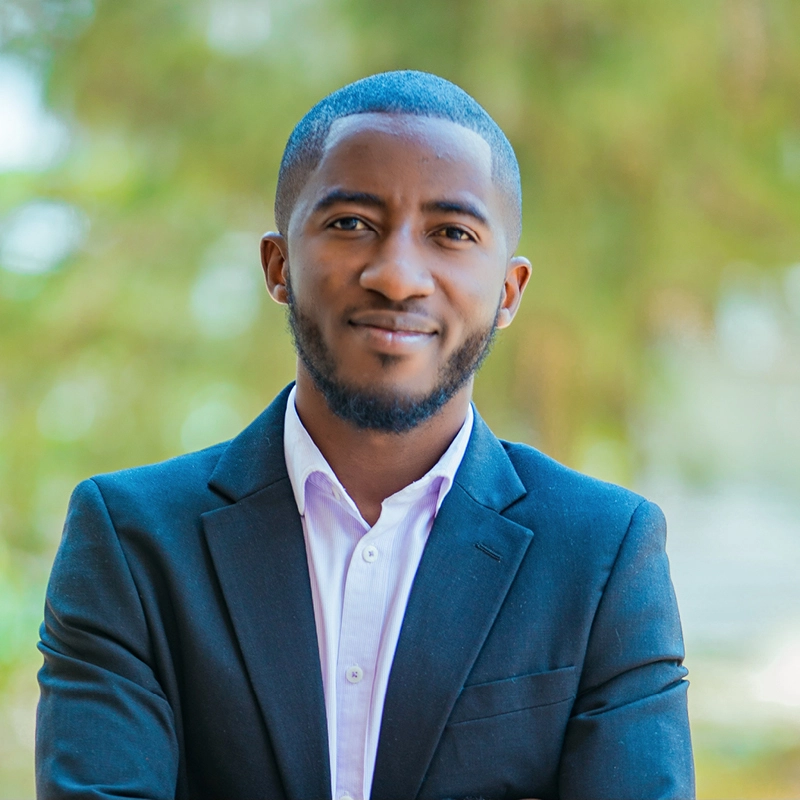
Kigali, Rwanda
Othniel Nimbabazi
Othniel NIMBABAZI is a global health and human centered design professional with more than 5 years’ experience working on digital health innovations, research, stakeholders’ engagement and advocacy as well as leveraging his skills in designing project, facilitating co-creation, and testing prototypes for improving health outcomes of novel projects.For the past decade, he has been an active young leader in global health, where he engaged in youth organizations on national, African and global level like International Pharmaceutical Students Federation (IPSF), Young Professionals Chronic Disease Network (YP CDN), UN Major Group for Children and Youth where he participated and/or contributed to the statements for high-level meeting like WHO Executive Board Meeting, WHO AFRO Regional Committee Meeting and World Health Assembly representing youth voices. He also served as the COVID Vaccination Champion for Africa CDC Bingwa Initiative and the represents YP CDN in the WHO Civil Society Commission.Othniel is also a Global Health Corps alumni where he served as Research Officer in the Ministry of Health in Rwanda. He held different managing position in global health, and pharmaceutical fields, & he currently contribute on research and health management projects as consultant. He holds a Master of Science in Global Health Delivery from the University of Global Health Equity and a Bachelor’s degree in Pharmacy from the University of Rwanda.
No items found.
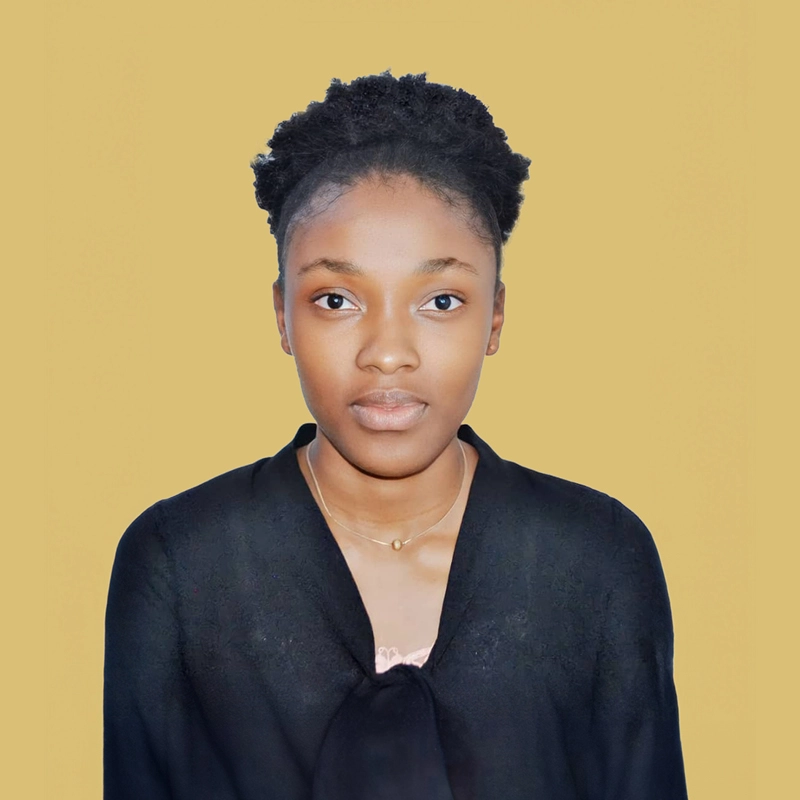
Yaoundé, Cameroon
Lynn-Everdene Akisarl
Akisarl Lynn-Everdene is a young, talented, and change-driven youth activist, and a 5th-year medical student at the Faculty of Medicine and Biomedical Sciences of the University of Yaoundé I, Cameroon, passionate about good health and wellness, with particular interest in public health and global health policies. She served as a regional coordinator for the African region as an alumni of the Malmar Knowles Kectil program, a web program that aims to bring youths together, providing them with skills to lead change in their communities. She's also an associate program officer at Safe Space Cameroon, a health initiative aimed at addressing mental health issues amongst young persons while providing them with psychosocial support. She has also served as Public Relations Officer of CAMESA (Cameroon Medical Students Association). She's a member of CAMSA (Cameroon Medical Students Association) and FAMSA (Federation of African Medical Students Association) she's advocating for sexual reproductive health rights under the Standing Committee of the Standing Committee of Sexual Rights including HIV and AIDS (SCORA) and SCORE (Standing Committee of Research Exchange). As a two-time Presidential Academic Excellence Award winner and OpenDreams Scholar, Lynn works with a variety of educational initiatives aimed at ensuring that high-achieving, low-income earning Students across the country have access to education, Lynn is passionate about Sustainable Development goals and working with NGOS and Civil Society Organizations on meaningful engagements with adolescents and youth engagements.
No items found.
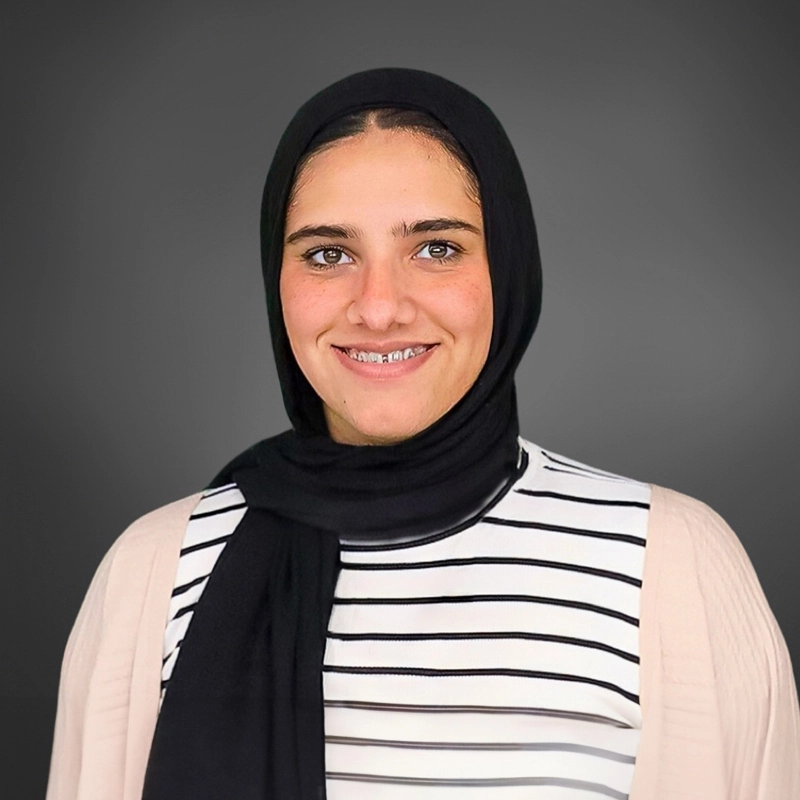
Cairo, Egypt
Maryam Sherif
Maryam is a passionate AI engineer with a background in Medical Informatics, dedicated to leveraging technology for positive societal impact. She develops AI-powered solutions addressing critical challenges in health and sustainability while mentoring aspiring engineers locally and internationally to integrate AI into diverse sectors aligned with the Sustainable Development Goals (SDGs).Recognized for her contributions, Maryam mentors at international hackathons, focusing on responsible AI use. Locally, she influences tech enthusiasts, guiding them in projects that promote environmental and social change. Her educational initiatives support underserved communities through volunteer-driven, free learning resources.As an ambassador for various technology and entrepreneurship initiatives, she advocates for responsible innovation, ensuring ethical principles and sustainability guide AI adoption. Maryam continually seeks collaborations to bridge the gap between technology and sustainability, promoting sustainable coding practices and driving innovation that addresses global challenges.
No items found.
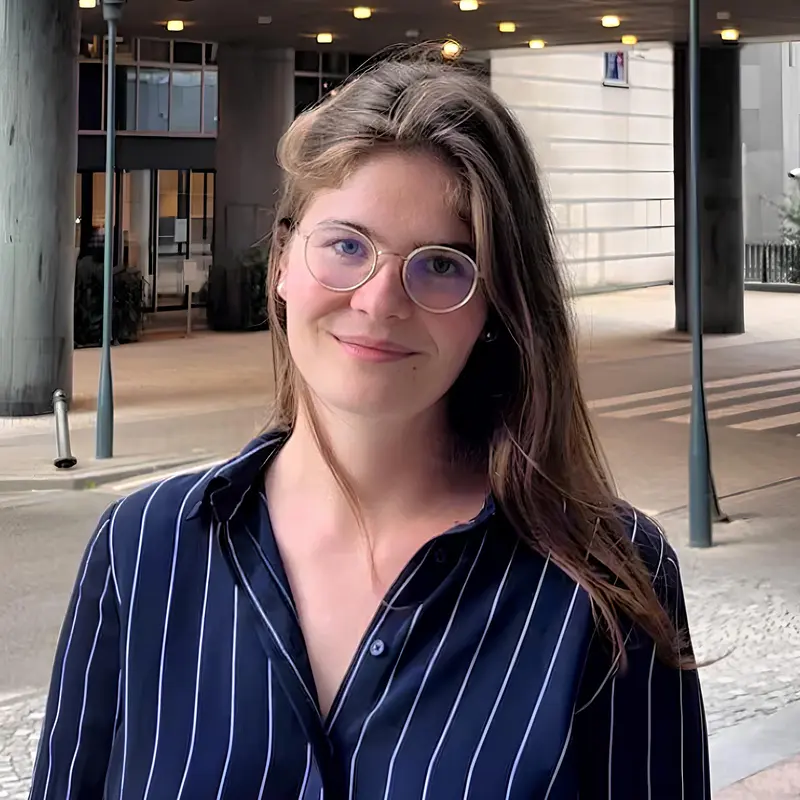
Brussels, Belgium
Charlotte Thibault
Charlotte is a 6th-year pharmacy student and a Master's candidate in Political Sciences in Paris, with a deep passion for global health, youth engagement, and health policies. Of French and Czech heritage, Charlotte has developed diverse international experience, having worked in community pharmacy, research, hospital settings, and industry across France, Malta, Belgium, and Poland.
Her interests include mental health advocacy, digital health in rural areas, One Health, and sustainability. As former Vice President of European Affairs at the European Pharmaceutical Students' Association (EPSA), she represented 100,000 pharmaceutical students across Europe, organizing events with European Parliament members on the mental health of young people.
Charlotte also demonstrated her leadership as Chairperson of the 45th European Pharmaceutical Students Annual Congress, focusing on sustainability in the pharmaceutical sector and its impact on climate health. She has played a key role in fostering collaborations with student and youth organizations, including the European Healthcare Students Association Alliance. More recently, she became an active member of the WHO's Youth4Health network. Moreover, her previous experience at the European Federation of Pharmaceutical Industries and Associations (EFPIA) fueled her interest for European politics and the crucial role of pharmaceutical companies in patient care innovation.
No items found.

Stanford, United States
Sohayla Eldeeb
Europe and Northern America
SRHR | Governance | Gender Equality | Digital Innovation and Sustainability
Sohayla Eldeeb is an environmental health advocate focusing on the intersection of health and sustainability, specifically how digital health plays a role in net zero. She graduated from Stanford with a bachelor's in biology and a master's in Community Health and Preventive Research. In 2018, Sohayla was one of the early team members of Zero Hour, the first youth-led climate march on Capitol Hill in Washington, DC, and formed over 200 action chapters worldwide. Since then, she has pushed for reusable gowns and lower-emission food/procurement systems at Stanford. Sohayla has helped lead several initiatives revolutionizing the healthcare systems to net zero, including an innovative greenhouse gas emissions (GHG) calculator for telehealth and transitioning to healthier food systems. She has been named a Healthcare Sustainability Champion. She is extremely passionate about the future of health tech, specifically how it may be used to integrate more representative health measures of social and environmental determinants. Sohayla has spoken at COP 27 about the human right to a healthy environment, the first-ever United Nations Youth Climate Summit, and served as a youth speaker at Africa's CDC Health Conference.
No items found.
Penafiel, Portugal
Maria Inês Francisco Viva
Inês Viva’s medical journey spans clinical medicine, research, and consultancy in various esteemed institutions. Her leadership qualities are evident from her tenure on executive boards of NGOs affiliated with WHO and the UN such as the International Federation of Medical Students’ Associations. Through these platforms, she has made significant contributions to policy drafts and has been a pillar in healthcare student capacity building, focusing on Universal Health Coverage (UHC) and Sustainable Development Goals (SDGs). Her impressive communication prowess was further showcased during her recent Bluebook traineeship at the European Commission, where she delved into pharmaceutical legislation and access to medicines. At present, Inês Viva’s contributions are enriching the OECD, as she zeroes in on the critical subject of Health systems resilience.
No items found.
Abuja, Nigeria
Lydia Jummai Gara
Lydia Jummai Gara is a development professional with over four years of progressive experience in designing and implementing projects on Sexual Reproductive Health and Rights (SRHR), Universal Health Coverage, Meaningful Youth Participation and Gender Justice for adolescents and young people. As an Internationally certified program manager, Lydia has managed several internationally funded projects on the health and well-being of adolescents and young people across Africa. Driven by her passion for empowering fellow young individuals through the establishment of robust networks, Lydia is an active member of technical working committees at both local and international levels, tirelessly advocating for the voices of young people in matters of gender equality, promotion of SRHR information and services, inclusivity, and health equity.
No items found.
Berlin, Germany
Caroline Knop
Europe and Northern America
Global Health | Digital Health | Public Health & Prevention | Meaningful Youth Engagement | Cultural Awareness & Diversity
Caroline Knop is a medical student at Charité Berlin with a strong interest in the digital transformation of health. She served as National Public Health Officer of the German Medical Student’s Association 2022/23 and was part of the International Federation of Medical Student’s Associations delegation to the 76th World Health Assembly in Geneva. As Co-Head of the Youth Side Program on the World Health Summit she advocates for meaningful youth engagement. Passionate about addressing the digital determinants of health, she works together with SATMED, an open access satellite-based eHealth communications platform, providing digital health services to remote, resource-poor areas of emerging and developing countries. As a participant in the International Collaboration and Exchange Program (Columbia ICEP), an international student networking and exchange program partnering over 26 major leading medical universities on 5 continents, she believes that current health challenges need to be addressed by a global approach in collaborative problem solving. Having a strong interest in research she served as Head of Public Relations during the foundation of Berlin Exchange Medicine, the first German student healthcare journal. She is a scholar of the German Academic Scholarship Foundation and has recently joined the Global Digital Health Lab at Charité Berlin.
No items found.

Yangon, Myanmar
Soe Yu Naing
Soe Yu Naing is a global health professional with more than ten years of experience in project management and scientific research. He received an international MSc in Infectious Diseases and One Health (IDOH) from the Université de Tours (France), the Universitat Autònoma de Barcelona (Spain), and the University of Edinburgh (United Kingdom). He is a product of liberal arts education and has a bachelor’s degree in Neuroscience from Earlham College in the United States. Later, he joined the University of Pennsylvania to work on research toward HIV cure. Currently, he is a researcher at Utrecht University in the Netherlands. His work mainly focuses on molecular epidemiology of emerging infectious diseases and antimicrobial resistance. He is currently managing a transdisciplinary project titled “”Impact of reducing colistin use on colistin resistance in humans and poultry”” in Indonesia. Beyond academia, Soe Yu Naing collaborates with ISGLOBAL, OHT, and consults for WHO, contributing to global health policy. He also serves as a visiting faculty at Parami University in Myanmar, teaching research methods, infectious diseases, and One Health. In his leisure, he writes Burmese short stories and podcast scripts, tackling taboo subjects like sexual and reproductive health (SRH) to foster open discussions in Myanmar.
No items found.
Erbil, Iraq
Nojus Saad
Northern Africa and Western Asia
Healthcare Technology | Social Entrepreneurship | SRHR | Digital Transformation | Community Psychology
Nojus Saad is a health technology entrepreneur, medical doctor, and social justice advocate with 7+ years of multinational research, policy development, and social entrepreneurial expertise around digital healthcare, gender justice, and healthcare technology.
Dr. Nojus is the President & CEO of Youth For Women Foundation, where he has positively impacted over 5600 youth and women in 59 rural, refugee, and underserved societies across Iraq, India, and France. Vice Chair of PMNCH at the World Health Organization, Saad represents the institution and contributes to researching global health policies at the annual WHO’s Global Conference on Health Promotion, UN Commission on Status of Women, International Aids Conference, and the IAS Conference on HIV Science. Dr. Nojus serves as an expert adviser to Bond UK, where he consults the UK government’s international development sector around digital health investments in the MENA. He also co-chairs the Youth Leadership Council at the Global Fund for Children (GFC), where he shapes the GFC’s global research & innovation strategy.
Saad is the former United Nations ambassador of the Internet Governance Forum, and a senior Digital Policy Fellow at ICANN; where he’s innovating technology enterprises for UHC, developed global DNS policies, and strengthened digital literacy among the most vulnerable.
No items found.
Ahmedabad, India
Gladson Vaghela
Central and Southern Asia
Health system strengthening | mental health | infectious diseases | climate change | universal health coverage
Dr. Gladson Vaghela is a medical doctor from India, currently serving as the Research Coordinator at The Training for Health Equity Network, USA, directing his efforts towards the attainment of social accountability in medical education through education, research, and service. He is a Policy Fellow of The Network: Towards Unity For Health, USA; a Country Representative at Healthcare Information for All, UK; and serves at the Executive Committee of the Commonwealth Youth Health Network, UK. During his medical training, for four consecutive years, he has served at different capacities at the Executive Committee of the Asian Medical Students’ Association International, a student-led organization that has representation in more than 30 countries. Notably, he has served as a Youth Advisor for YuWaah (Generation Unlimited) at UNICEF India, with a specific focus on empowering and nurturing the well-being of young individuals. In the year 2023, he made it among the top 50 finalists for the prestigious Chegg.org Global Student Prize. Dr. Vaghela exemplifies natural leadership qualities and a resolute dedication to the empowerment of youth. He actively participates in high-level meetings, representing the voices of young people both locally and internationally, particularly in issues pertaining to education and universal access to healthcare.
No items found.
Toronto, Canada
Yifan Zhou
Europe and Northern America
Innovation | Digital Health | Public Health| Climate Change | Meaningful Youth Engagement
Yifan Zhou, PharmD, ACPR, is a pharmacist in Canada, where she practices both in the industry and hospital. As the immediate past Chairperson of External Relations at International Pharmaceutical Students’ Federation (IPSF), she managed over 20 partner and sponsors relations. She has also represented the Federation at more than 10 high level international meetings, where she delivered statements, interviewed, and advocated for public health, climate change, digital health, and meaningful youth engagement.Yifan is currently the President-Elect of IPSF, where she hopes to continue advocating for 500,000 pharmacy students and recent graduates around the world.She was the past Executive Co-Chair of IMAGINE Clinic, a student-run clinic that serves marginalized community in Toronto. During the pandemic, she led a team of 30 executives to transform the walk-in clinic into a virtual clinic to continue providing care. The clinic also offered physical space, computer and internet access to bridge the gaps in access for its patients. Yifan also developed an automated flu form for a pharmacy technology company, which served over 700k Canadians during the pandemic.
No items found.
Nuevo León, Mexico
Ruben Avila
Ruben Avila (He/His/Him) is an advocate with 9 years of experience working on projects related to sexual and reproductive health and rights, gender equity, LGBITQ+ issues, and meaningful youth engagement. During this time, Ruben collaborated on different roles with local and international civil society organizations, public and private institutions, and United Nations Agencies. He’s the Founder and Director of Sin Control Parental, a platform working on providing information and digital counseling on sexual and reproductive health for youth and adolescents in Mexico. Ruben was recognized as a global young leader by SheDecides global political movement (2019) and the International AIDS Society (2021). Additionally, he participated in the prestigious Human Rights Advocates Program 2020-2021 by Columbia University in New York and was recently a recipient of the One Young World and Novartis “Reimagining healthcare scholarship”, which recognises visionary and innovative young leaders worldwide working in healthcare.
No items found.

Ludhiana, India
Rohini Dutta
Central and Southern Asia
Health equity | SRHR | UHC | global surgery | maternal health | health system strengthening
Dr. Rohini Dutta (she/her/hers) is a medical graduate from Christian Medical College Ludhiana, Punjab, India and a Global Surgery Fellow at the WHO Collaborating Centre for Research in Surgical Care Delivery in Low-Middle Income Countries, India. She was one of the recipients of the ‘Women of the Future Award India’ in 2021. Her clinical and research work currently focuses on increasing access to surgical and obstetric care in low-resource settings to rural and marginalised communities and leveraging digital technology in the health care sector to accelerate solutions towards achieving universal health coverage. She has served as President of Asian Medical Students Association India in 2019-20 and collaborated with the Indian Development Foundation on Project One Million with its mission to supply one million girls within the reproductive age with free sanitary pads and menstrual hygiene products. She will be joining the Harvard Programme for Global Surgery and Social Change in July 2022.
No items found.
Vilnius, Lithuania
Egle Janusonyte
Europe and Northern America
SRHR | global health | digital health | dermatology | artificial intelligence
Eglė is a young Resident Doctor in Dermatology in Vilnius, Lithuania, previously trained in Switzerland, France and Italy. She is a part of the newly established The Lancet Child & Adolescent Health Youth Advisory Panel, the Vice-chair of the Healthcare Constituency at the Partnership for Maternal, Newborn and Child Health hosted by World Health Organisation, and a Woman Deliver Young Leader.Previously, Egle acted as Liaison Officer for Sexual and Reproductive Health and Rights Issues and the elected Vice President for External Affairs of the International Federation of Medical Students’ Associations (IFMSA), representing 1.3 million medical students from 131 countries. She represented IFMSA at global health meetings such as World Health Assembly, WHO Executive Board Session and United Nations Commission on Social Development. Together with her colleagues, she led a global research on digital health gaps in medical education systems globally.
No items found.

Washington, DC, United States of America
Shalin Jyotishi
Europe and Northern America
Technology and innovation policy | higher education | policy and governance | workforce development | public interest technology | technology governance | innovation ecosystems
Shalin Jyotishi is a Senior Analyst on Education and Labor at the think-tank New America and a Fellow at the World Economic Forum. He is also a Forbes Contributor covering careers and education. Shalin’s expertise centers on issues where higher education and the workforce meets technological innovation and science and innovation policy. Shalin’s work has appeared in NPR, Morning Consult, and Financial Times, and he has spoken before the United Nations, OECD, U.S. National Academies, and the World Bank. He serves or has served on advisory boards for the MIT Science Policy Review, the International Economic Development Council, the United Nations International Telecommunication Union, American Enterprise Institute, the U.S. National Science Foundation, George Washington University’s Institute for Public Policy, and Georgetown University’s Center on Security and Emerging Technology. Previously, Shalin led programs at the Association of Public and Land-grant Universities, North America’s oldest presidents-led higher education association, and held positions at the American Academy of Arts and Sciences, the American Association for the Advancement of Science, the University of Michigan, and Stanford University. He is the past CEO of the Journal of Science Policy & Governance. Shalin is online at ShalinJyotishi.com.
No items found.
Nairobi, Kenya
Eunice Kilonzo
Sub-Saharan Africa
Storytelling | global health diplomacy | SRHR | global health governance | mentorship
Eunice Kilonzo is a Communications and (Social) Media Specialist currently a Manager, Content Generation at Safaricom PLC. Her immediate former role was with the UN Environment Programme (UNEP) HQ in Nairobi, Kenya as a Social Media and Content Consultant.
Eunice has extensive hands-on experience in organizational communications and (social) media management across a range of sectors: health, science, environment, technology, financial services and development.
She is fascinated with digital health, global health diplomacy, matters around access to health care in children and the youth, newer forms of storytelling, and content creation, generation and sharing.
No items found.
Kingston, Jamaica
Danielle Mullings
Latin America and the Caribbean
Technology | digital health | governance and leadership | media and communications | arts | youth empowerment
Danielle Mullings is a multidimensional Software Engineering student with interests including technology, leadership and the arts. She currently serves as the President of the Guild of Students at the University of the West Indies Mona, where she is also a UWI Open Scholar. Said to be ‘one of the field’s brightest young minds’, Danielle believes strongly in the power of tech and innovation in edifying society and would ultimately like to work in areas with civic applications of technology. This complements her work as the Partnership & Campaign Officer for Transform Health, a global coalition aimed at using technology as a catalyst for universal health coverage. She aspires to become a world leader in technological representation for the Caribbean and Latin America, focusing on enhancing the Caribbean’s pursuit of the SDGs.
Lastly, she has a natural affinity for leadership and youth empowerment and thus serves on youth councils, both locally and internationally, representing the voice of young people in technology, education, national issues and tech for health.
No items found.
Amman, Jordan
Saif Malhem
Northern Africa and Western Asia
Youth leadership | intergenerational collaboration | artificial intelligence | borderless collaboration | indigenous reconciliation | gender equality | digital transformation in health
Saif Malhem is the founding co-chair of the AI Future Lab: a community of next-gen leaders pushing the frontiers for responsible AI globally, incubated by members of the Global Shapers Community, an initiative of the World Economic Forum. Coming from all continents, the lab consists of six working groups including health and operated with the mission of empowering the global youth to develop responsible artificial intelligence, democratizing access to shaping its trajectory, and ensuring inclusion of global communities. Saif is an engineering professional and worked as the AI lead for both Fortune 500 companies and young start-ups, managing AI transformations and producing technology roadmaps. He’s currently a researcher at the Center for AI and Digital Policy. With his background in clean technology, he was named one of Canada’s Top 30 Under 30 in sustainability by Corporate Knights in 2020. Having previously worked at the Clinton Foundation, Saif graduated from McGill University with a degree in honours electrical engineering and technological entrepreneurship.
No items found.
London, United Kingdom
Brian Li Han Wong
Europe and Northern Africa
Digital health | epidemiology | global health diplomacy | governance and policy | meaningful youth engagement
Born in Malaysia and raised in Canada, Brian Li Han Wong (@brianwong_) is an entrepreneur, public health advocate & practitioner, and multidisciplinary researcher interested in ageing and life course, digital health, global health governance, immunisation/vaccination policy, and youth engagement. He currently sits on the Steering Committees for the EUPHA Digital Health Section and the new WHO Youth Council. He also leads the Public Health Erosion and Vaccination subgroups on ASPHER’s COVID-19 Task Force and sits on the Board of Trustees for UK Model WHO and Students for Global Health.
Dr Wong has previously acted as surveillance epidemiologist for Public Health England’s Immunisation and Countermeasures Division as well as Programme Manager of the “Outbreak!” strand of UCL’s annual Global Citizenship Programme. His long-standing passion for meaningful youth engagement through innovation, capacity building, and experiential learning activities has led him to found LonWHO, the world’s largest Model WHO simulation, and UK Model WHO, the first unified structure for Model WHO simulations in the UK which provides global health policy, advocacy, and diplomacy training for students and young professionals. He has written and delivered policy statements at high-level meetings, such as the World Health Assembly and the WHO’s Executive Board Meeting, as part of the International Federation of Medical Students’ Associations (IFMSA) delegation.
Dr Wong is also a Fellow of the Royal Society of Public Health and the Royal Society of Arts. He is currently undertaking a social innovation fellowship with Year Here and has been accepted onto the 3rd WHO infodemic manager training. Since concluding his doctoral studies in cardiovascular science at University College London, he went on to pursue an Executive Diploma in the Art of Diplomacy from the European Academy of Diplomacy and the Global Clinical Scholars Research Training program with Harvard Medical School. He holds a Master’s degree in epidemiology from the London School of Hygiene and Tropical Medicine and an Honours Bachelor degree in biomedical science with a minor in music from the University of Ottawa.
No items found.
Burkina Faso
André Thiombiano
André is a medical doctor and clinical investigator from Burkina Faso, driven by a passion for improving health outcomes and advancing equity through research. He leads clinical activities and research data management at the Clinical Research Unit of Nanoro, where he contributes to evidence generation for public health decision-making. Currently completing a Master’s in Human Nutrition, André brings expertise in epidemiology, digital health and health project management. As a DTH-Lab Fellow, he is exploring how digital determinants influence young people's nutrition.

The impact of digital transformations on young people’s nutrition
In a new report, DTH-Lab research fellow, André Thiombiano, provides a comprehensive overview of how digital determinants influence nutrition and shares recommendations for targeted policy action and proposed avenues for in-depth research exploration.
Read the report
Türkiye
Beyzanur Yoldaş
Beyzanur is a final-year pharmacy student at Bezmialem Vakıf University, Turkey with a strong passion for combining healthcare and technology to create meaningful solutions. Her journey into digital health began with a curiosity about how technology could make healthcare more accessible and efficient, driving her to explore projects that bridge clinical research with innovative health technologies. Her experience spans local and international settings –including hands-on research skills during internships across Europe, contributing to health technology evaluations and digital health projects that support evidence-based decision-making. Selected as one of 100 women for the EIT Health "Top Female Founders" programme, she explored needs-led innovation, design thinking and business model development in healthcare. Beyzanur believes in a future where digital health technologies and patient-centered solutions redefine healthcare delivery. Her goal is to be part of that change by building impactful, technology-driven health solutions that improve lives.
No items found.

Uganda
Clare Kahuma
Clare is a software engineer passionate about integrating technology into health data and communication. She is currently pursuing a Master’s in Health Informatics, focusing on translating complex research into actionable insights. Clare serves as a Health Communications Officer with the Centers for Antimicrobial Optimization Network (CAMO-Net) Uganda hub at the Infectious Diseases Institute. In this role, she simplifies and disseminates scientific findings to support evidence-based decision-making in public health. She is a trainee under the Health Data Science Capacity Building Grant for the African continent, hosted by the University of KwaZulu-Natal in South Africa. Her current research focuses on predicting multi-drug resistance in people with bacterial infections at the point of care. Her interests lie at the intersection of health informatics, research and science communication. Clare values care and collaboration, and believes in the power of storytelling to harness data for meaningful change in health behaviours and outcomes.
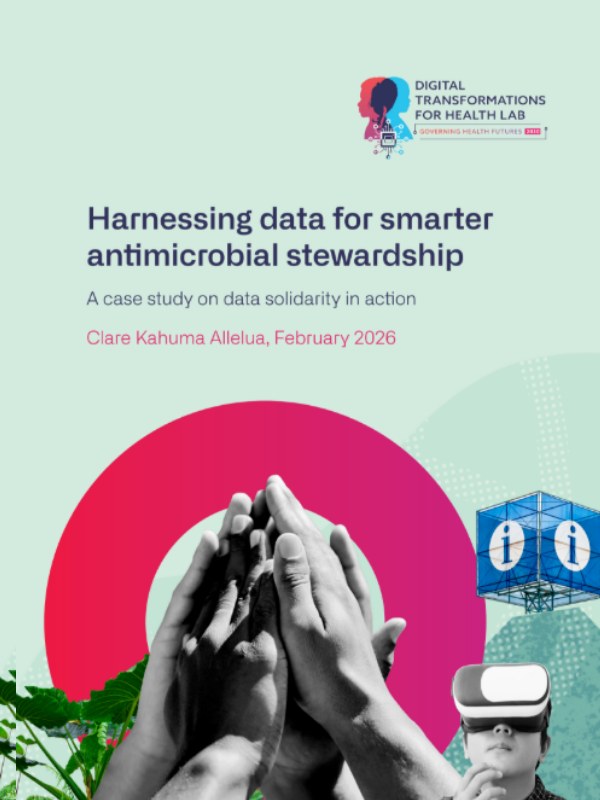
Harnessing data for smarter antimicrobial stewardship: A case study on data solidarity in action
This paper by DTH-Lab Research Fellow, Clare Kahuma Allelua, presents case studies on operationalizing data solidarity, a data governance approach that promotes collective benefit, mitigates shared risks and ensures that value generated from digital practice is distributed fairly across society.
Read the report
Kenya
Faith Murage
Faith is a Kenyan medical doctor and health journalist passionate about the intersection of digital innovation and child health. With a strong foundation in medicine and a gift for storytelling, she translates complex health topics into accessible, impactful narratives that inform policy and empower communities. As a health writer at Digital Health Africa Faith crafts data-driven reports and insights that spotlight the evolving digital health landscape across the continent. She is particularly interested in how digital environments influence children's well-being – both as a research focus and a social advocacy issue. With over 70 published articles covering health equity, wellness and frontline healthcare worker experiences, Faith brings a unique perspective rooted in both clinical experience and communication expertise. Her contributions aim to bridge the gap between data, lived realities and action.

Digital childhood profiles 2026
DTH-Lab Research Fellow, Faith Murage, has reassessed the digital childhood profiles in response to new evidence on digital determinants of health. This report synthesises the literature and proposes revised digital profiles to inform actions to address access inequalities, children's digital experiences and emerging factors such as artificial intelligence.
Read the report

Myanmar/Thailand
Hein Thu
Hein Thu is a junior medical doctor and public health researcher from Myanmar with a Masters of Public Health degree from Harvard T.H. Chan School of Public Health and has contributed to healthcare research at the International Health Policy Program (IHPP) in Thailand, focusing on migrant health. He co-founded FOC Teleclinic, a humanitarian telemedicine initiative and led Burma Academy, a nonprofit Massive Open Online Courses (MOOC) education platform for youth affected by conflict. His research focuses on digital health, AI and health equity – especially for vulnerable groups such as migrants. He is eager to learn how digital citizenship education can support health systems strengthening in vulnerable communities and crisis-prone areas.
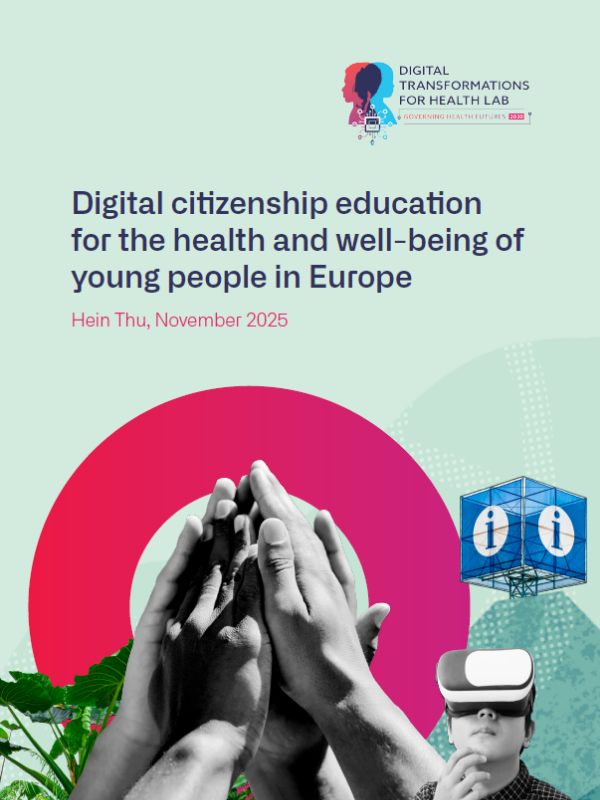
Digital citizenship education for the health and well-being of young people in Europe
As the European Year of Digital Citizenship Education 2025 draws to a close, DTH-Lab Research Fellow, Hein Thu, takes a timely look at opportunities to embed health within DCE – so Europe can foster a generation of empowered, ethical and health-conscious digital citizens who co-create fairer and more resilient digital societies.
Read the report
Nigeria
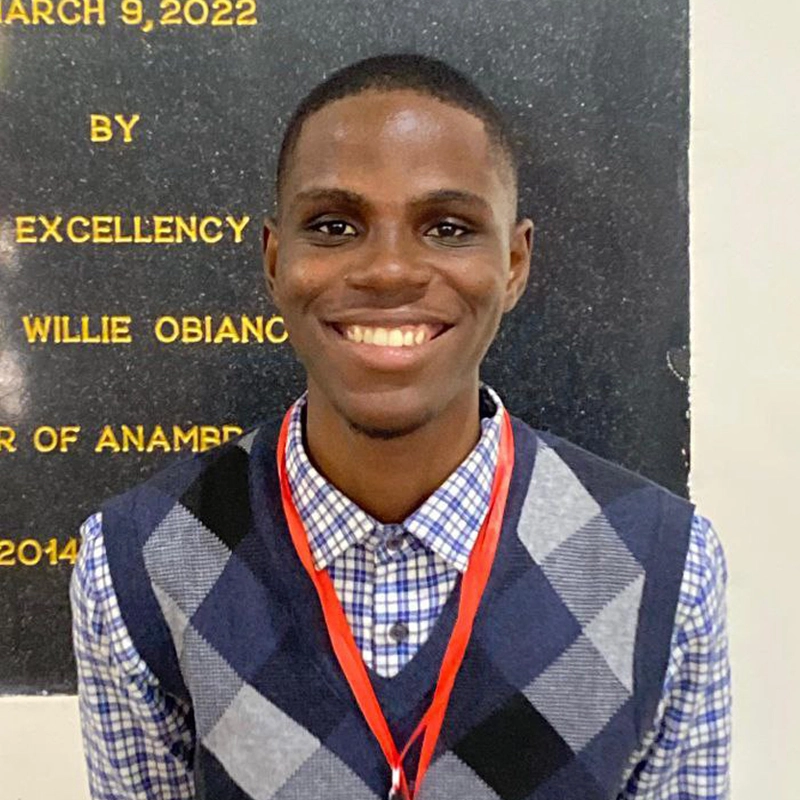
Oluwapelumi Solagbade
Oluwapelumi is a medical student at Obafemi Awolowo University, Nigeria, and a rising global health leader passionate about global neurology, healthy use of digital technologies and equitable brain health systems in low-resource settings. He aims to tackle complex neurological problems by becoming a translational multidisciplinary scientist with work spanning computational neuroscience, basic medical sciences, neuroimaging and precision medicine. Driven by the urgent need to address disparities in neurological care, he currently serves as lead investigator for many research projects addressing the gaps in quality neurosurgery delivery care and health systems strengthening in Africa at the Mission BRAIN Neurosurgery Research Fellowship. Oluwapelumi has a deep commitment to equity, cross disciplinary collaboration and open science, he hopes to inspire transformative change in the delivery of brain health across borders.

Healthy digital diets: A review of existing guidelines for young people’s technology use
This report by DTH-Lab Research Fellow, Oluwapelumi Solagbade presents the findings of a systematic desk review and quantitative analysis of thirty-six global, regional and national guidelines, published 2015-2025, on the topic of healthy use of digital technologies by children and adolescents.
Read the report
Indonesia
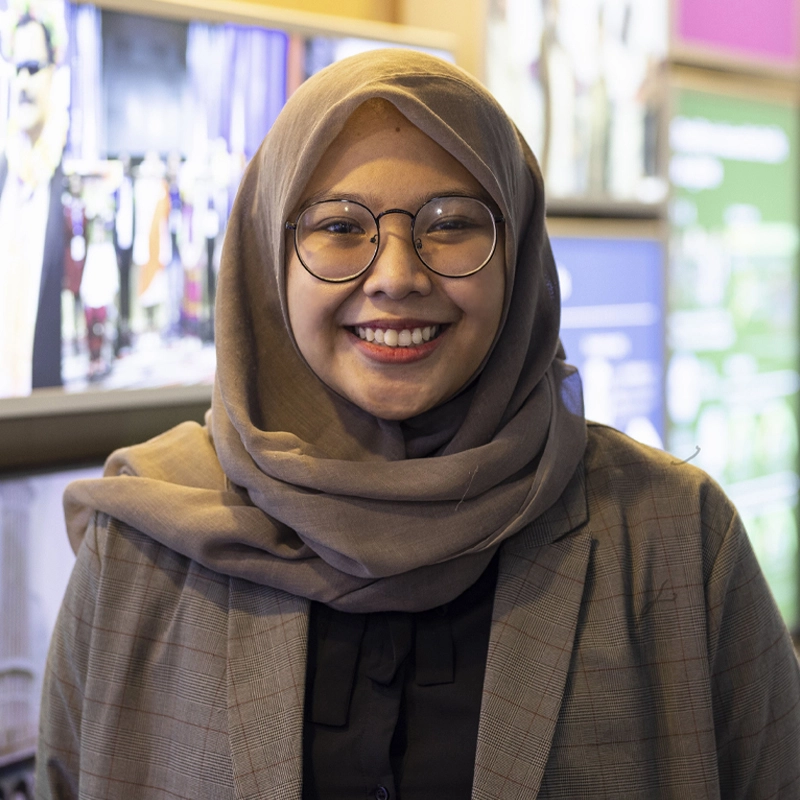
Ratu Bintang Assyifa Arweys
Bintang is a development professional working across research, programme implementation, and monitoring and evaluation. She has worked with organizations such as Ashoka Indonesia and UN Women on issues related to gender equality, youth engagement and public policy. She is passionate about informing and designing inclusive programmes for women and youth and will be channelling this passion to DTH-Lab as she investigates how to measure meaningful youth engagement and impact. In her community, she founded Leadership Lens, a youth-led initiative promoting peace leadership among young people. Based in Jakarta, she currently works at Baker & York and holds a degree in International Relations from Tokyo International University.

Measuring meaningful youth engagement and impact
The purpose of this study by research fellow Ratu Bintang Assyifa Arweys is to assess the meaningful engagement of RYCs in DTH-Lab’s work, by evaluating their perspectives and experience in co-designing initiatives and joining governance processes, through activities in co-creation, intergenerational interaction and mentorship and engaging with policy-making processes.
Read the report
Jamaica
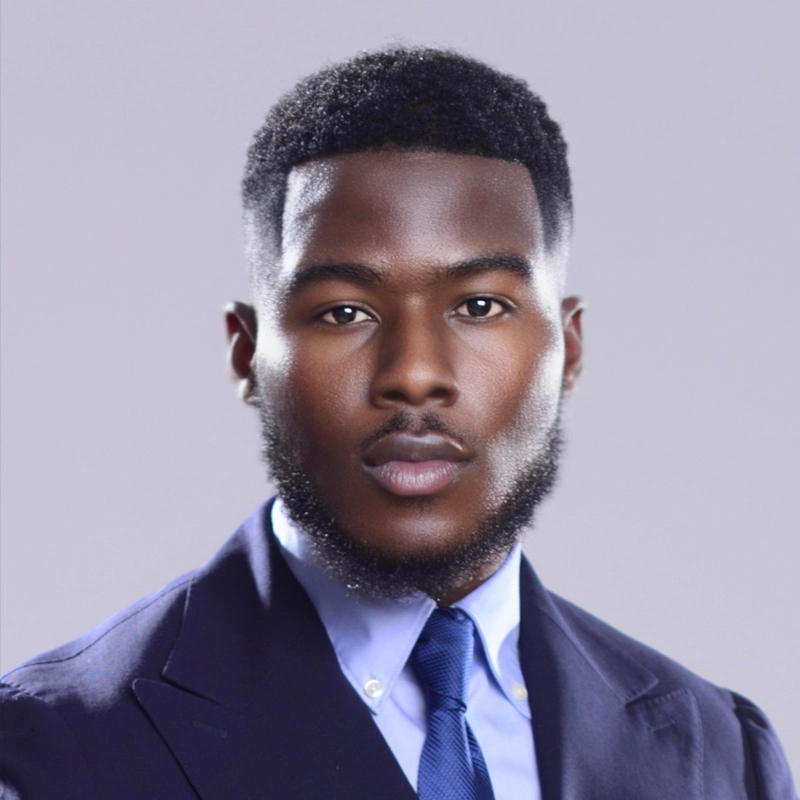
Shajoe Lake
Shajoe is pursuing a PhD in global health law on a UKRI ESRC doctoral scholarship at the University of Warwick. His research sits at the intersection of critical political economy, aesthetics, international law and global health. He is currently a research assistant on a Wellcome Trust funded interdisciplinary research project on health apps in sub-Saharan Africa. He uses co-creation methods to analyze data protection frameworks and engages key stakeholders in sub-Saharan Africa, investigating how these frameworks protect health data, how health apps operate in practice, and whether current frameworks are adequately responding to potential problems. Previously, Shajoe was an international legal adviser at the Global Strategy Lab, providing counsel on addressing antimicrobial resistance through legal interventions. He was a research fellow at the O’Neill Institute for National and Global Health Law, leading and supporting programmes in the Caribbean. Shajoe holds an LLB First Class from the University of the West Indies, an LLM from Georgetown University, where he received the Global Health Law Scholarship, and an MA in Social Science Research from the University of Warwick. Shajoe is a Bloomberg Philanthropies healthy food policy fellow.
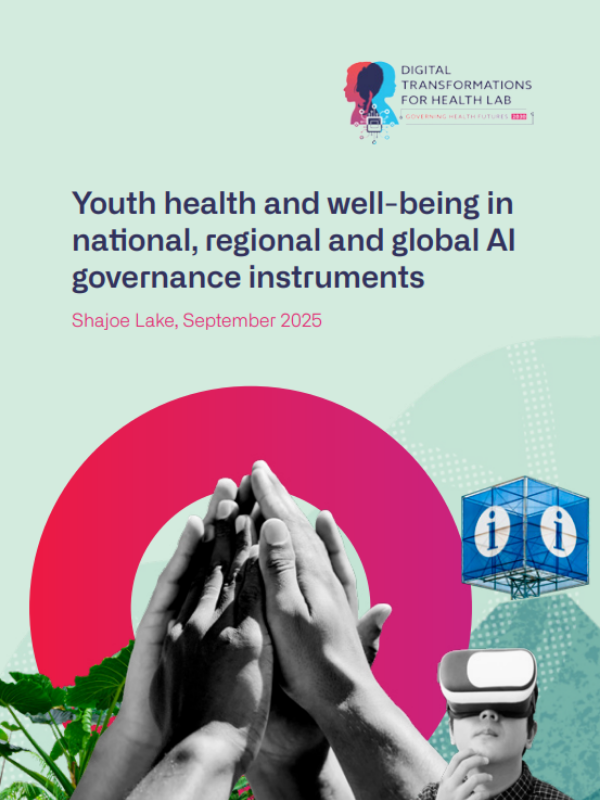
Youth health and well-being in national, regional and global AI governance instruments
This report by research fellow, Shajoe Lake, analyses how national and multinational AI governance instruments address youth health and well-being. It introduces the Y5 (Youth Five) Futures Framework and presents a systematic review of 10 multinational and 29 national AI governance instruments, highlighting the extent to which they include or overlook youth health and well-being.
Read the report
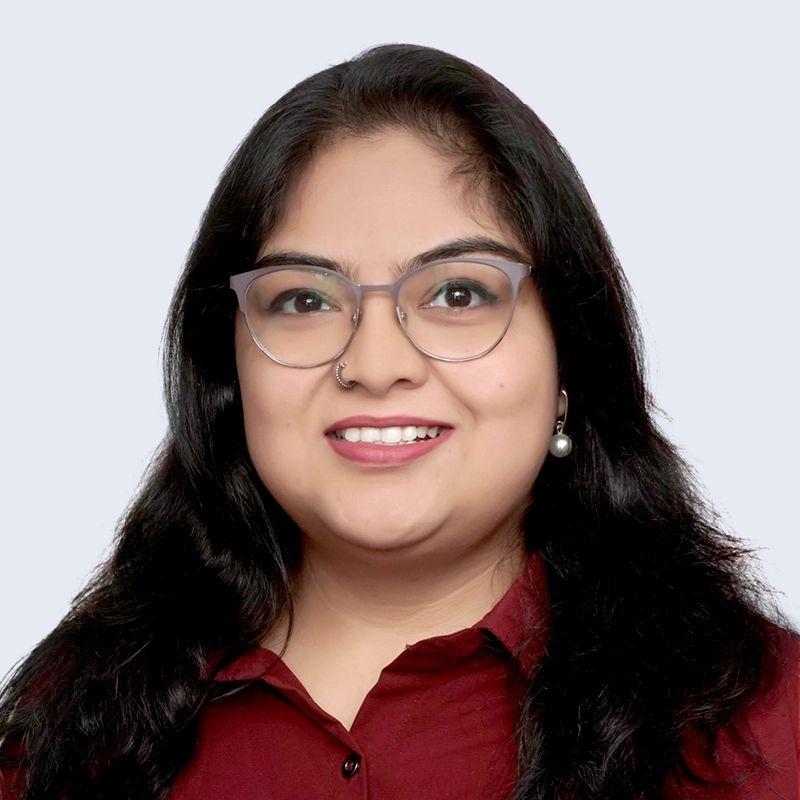
India
Anyesha Mitra
Anyesha is a seasoned social impact professional with over seven years of experience in monitoring, learning and evaluation (MLE), policy advocacy, and project management within various public health domains. In her previous roles, she has contributed to MLE initiatives for child immunization programmes in India on behalf of John Snow India Pvt. Ltd. Additionally, she possesses extensive experience in policy advocacy and government relations, supporting international medical device and pharmaceutical companies in formulating their advocacy strategies to enhance market access. Anyesha is a strong advocate for leveraging technology to develop straightforward yet effective solutions for addressing complex developmental challenges, which has sparked her interest in digital health.
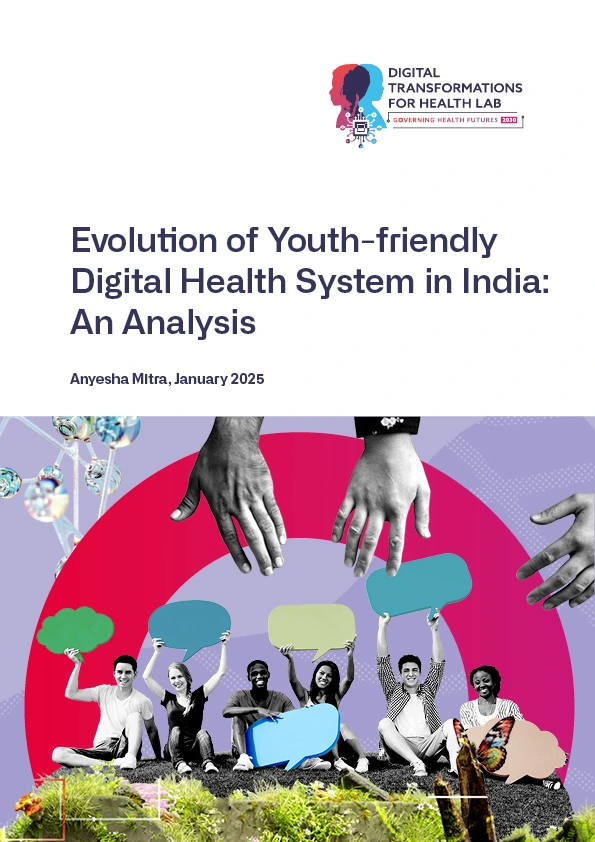
Evolution of Youth-friendly Digital Health System in India: An Analysis
Read the report
Kosovo
Erza Selmani
Erza is a researcher and consultant in the health and social domain. She studied digital health systems in the UK and is currently doing her PhD studies in Germany with a focus on digital and robotic interventions in health. She is engaged in several international projects in health research and development. Her research interests revolve around the health and social science fields, digital technologies that improve health/social well-being, social prescribing and user-centred design. She has co-authored several publications in peer review journals.
Analysing Major Tech Companies’ Policies and Strategies for the Health and Safety of Young Users
Read the report
Navigating the digital playground: Youth health amid tech promises and practices
In a new piece of research for DTH-Lab, Erza Selmani examines the gap between public claims, made by social media platforms, on protecting young people online and the internal knowledge and reality of their practices.
Read the report

Nigeria
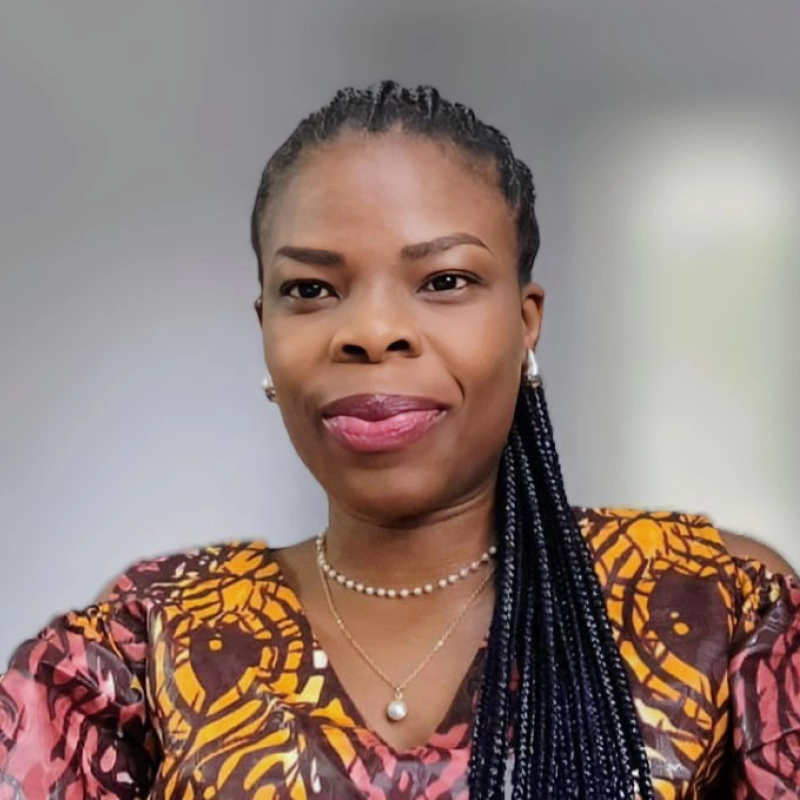
Esther Opone
Esther is invested in adding value to lives and spaces through health technology, research and civic engagement. As a digital health product manager, she leverages her biomedical science background and AI-powered technology to optimize healthcare delivery in Africa’s underserved settings. She is a One HealthTech fellow, President of the African Digital Health Professionals Network, Graduate Fellow of the West African Institute of Public Health, and an ambassador for Africa Digital Epidemiology and Innovation Network. Esther’s commitment to digitally-enabled healthcare transformation has earned some recognition, including from Junior Chamber International, 16 Emerging Women Leaders and Digital Health Africa.
Safeguarding the Digital Generation
Qualitative Analysis of African-based Digital Technology Companies’ Policies impacting African Youth Health and Well-being
Read the report
Nigeria
Helen Adesoba
Helen is a seasoned public health researcher and health economist with over a decade of experience in conducting impactful studies. Driven by her passion for improving population health through evidence-based research and policy development, she specializes in leveraging health economics to optimize resource allocation in healthcare systems. Recognising the transformative potential of digital technologies in healthcare, Helen is at the forefront of exploring how these innovations can enhance healthcare access and delivery. Her current work aims to provide evidence-based insights on the integration of digital health solutions to improve youth health outcomes. Helen holds dual master's degrees in Public Health and Health Economics.

Toward Digital First Health Systems in Nigeria
A Focus on Adolescents and Young Adults
Read the report
India
Jyoti Chaudhary
A research analyst specializing in healthcare and demographic research and public healthcare monitoring and evaluation (M&E), Jyoti has an established track record of collaborating with the Indian Ministry of Health and Family Welfare, providing M&E consultancy, assessing major government health initiatives under the National Health Mission, and managing large-scale projects like the Longitudinal Ageing Study in India. She has also served as an external monitor for the monitoring and evaluation of the Mission Indradhanush, commissioned by UNICEF. Her research expertise lies in addressing contemporary healthcare issues, studying the Indian public healthcare system, and performing policy analysis with data-driven insights.
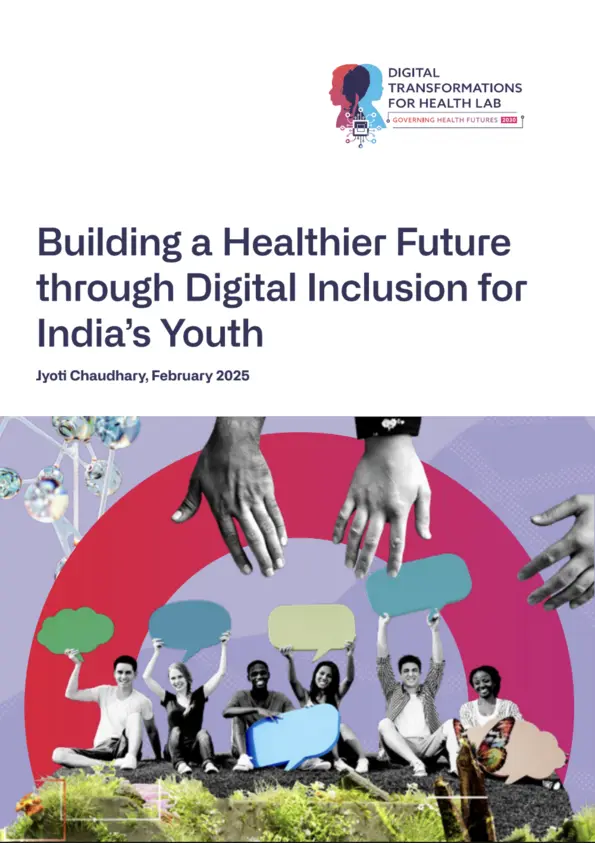
Building a Healthier Future through Digital Inclusion for India’s Youth
Read the report
Kenya
Leila Haroon
Leila is an experienced research data analyst based in Nairobi, Kenya. She has over 3.5 years specializing in digital transformation across emerging markets. She excels in sourcing, analysing and visualizing data to meet client needs effectively, driving impactful research outcomes and managing complex projects.

National Digital Health Strategies
Read the report
India
Preetika Banerjee
Preetika is an incoming PhD student in Health Economics and Outcomes Research at the University of Washington. She holds an MSPH from Johns Hopkins and a BE in Biotechnology from PES Institute of Technology. Her research interests include preventative interventions, disease modeling and health equity. As a Research Fellow at the DTH-Lab, she is working on longitudinal data to assess the impact of digital health interventions on young people's well-being. Preetika is passionate about leveraging digital technologies to improve health outcomes and is dedicated to using evidence-based approaches to strengthen health systems and enhance the well-being of young individuals.
Digital Interventions for Youth Health: Insights from a Comprehensive Scoping Review
Exploring Longitudinal Impacts of Everyday Digital Technology Use on Youth Well-being
Read the report
Nigeria
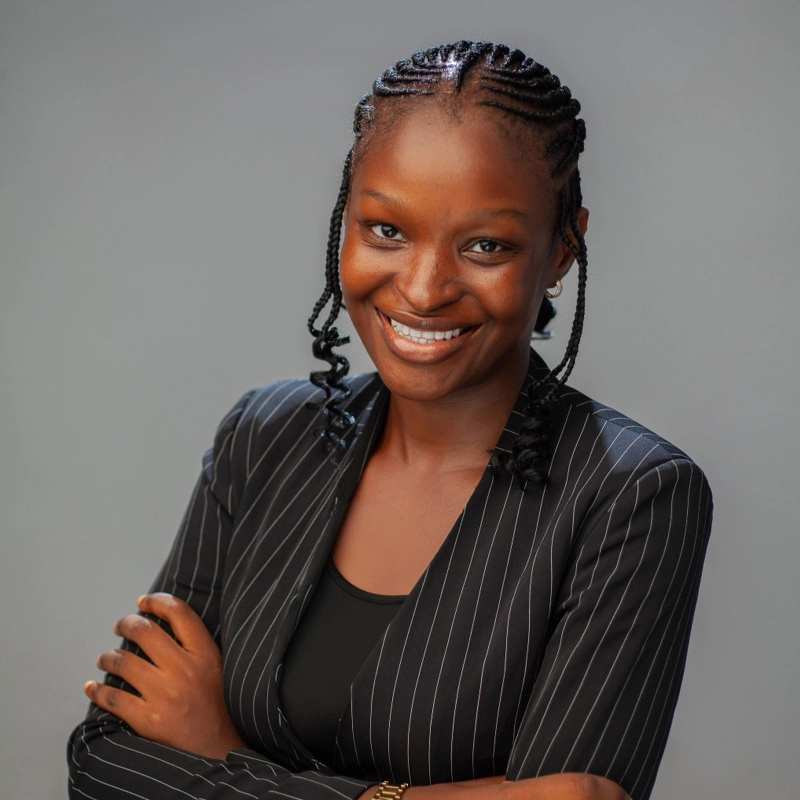
Racheal Ogundipe
Racheal is a public health professional dedicated to advancing SDG 3 and promoting universal health coverage. With a master’s degree in public health, she has extensive experience in research, including country-level research for the Lancet commission on cancer and health systems. She also serves as a public health analyst at a leading health tech firm in Nigeria. Racheal is passionate about digital health solutions and their role in improving global health outcomes. She is committed to leveraging her expertise to drive transformative change in public health through innovative technology and leadership.
Digital Health Citizenship
Mapping Existing Tools for Digital, Health and Civic Literacy
Read the report
Digital citizenship for health: Platform assessment for cooperation, sustainability and impact
Rachael Ogundipe’s latest research for DTH-Lab examines what it would take to build a DC4H platform by drawing lessons from two existing models: the Digital Citizenship+ Resource Platform (DCRP) and Better Internet for Kids (BIK). These examples were selected for their youth-centred design and multi-stakeholder approach.
Read the report
India
Rupal Jain
Rupal is a sustainable development practitioner, particularly working at the intersection of environment and health. She has worked extensively on global health policies, with particular attention to differential vulnerability and behavioural health. She has previously worked as a researcher at the Indian Council of Medical Research. Rupal holds a master's degree in sustainable development practice from TERI School of Advanced Studies, India. She has also been involved with the UN Sustainable Development Solutions Network-youth (UN-SDSNy), where she led initiatives aimed at disseminating knowledge about sustainable development goals.

Trust in Digital Health
Exploring Barriers and Enablers Among Youth
Read the report
Maya Fakhfakh
Maya Fakhfakh, As a medical graduate from Tunis, Tunisia, with a Master’s in Public Health from Université Laval in Québec, Canada, Maya is dedicated to integrating digital health interventions, clinical practice and patient engagement to foster a holistic, equitable, and inclusive healthcare system, especially for vulnerable populations.
No items found.


Aferdita Bytyqi
As Executive Director of DTH-Lab, I'm driving forward the recommendations of the Lancet and Financial Times Commission on Governing Health Futures 2030 — bridging digital literacy, health literacy and civic engagement to empower communities and ensure young people thrive in a digital world. I am passionate about operationalizing innovative governance models to advance equity, protect communities and drive meaningful health outcomes in the digital transformations for health. From building multistakeholder partnerships to co-creating solutions with young people, I work to strengthen health systems, protect digital health rights and foster sustainable, inclusive digital health ecosystems.
My career spans over 25 years, spearheading international research, development, and regeneration initiatives on behalf of multilateral and bilateral agencies, as well as private donors. My previous professional roles include ICS Integrare, MBM, FAO, WHO and the Senior Coordinator of the Lancet and Financial Times Commission.
I am a DTH-Lab Founding Member and member of the Steering Committee; Member of the Advisory Board: “Health literacy of adolescents in Switzerland in an increasingly digital society” by the Swiss National Science Foundation and Member of the OECD Expert Group on AI in Health . I have a Dipl. Ing in Architecture and an M.Sc. in Urban Design in Development from UCL.
No items found.
Ilona Kickbusch
Ilona Kickbusch is the Director of the DTH-Lab. She is a visiting professor at the University of Geneva, the founding director, chair and senior distinguished fellow of the Global Health Centre at the Geneva Graduate Institute of International and Development Studies. She is known throughout the world for her expertise and is a sought after senior adviser and key note speaker. Her areas of expertise include the determinants of health, health in all policies, and global health governance. She advises countries on their global health strategies, trains health specialists, and is involved in German G7 and G20 health activities. She publishes widely and serves on various commissions and boards. She has been awarded the Cross of the Order of Merit of the Federal Republic of Germany (Bundesverdienstkreuz) in recognition of her invaluable contributions to innovation in governance for global health and global health diplomacy. She has also been awarded the WHO Medal in recognition of her contribution to global health.
No items found.
Casablanca, Morocco
Imane Lakbachi
Northern Africa and Western Asia
Youth Empowerment | SRHR | Digital Advocacy | Human Rights | Sustainable Development
Imane Lakbachi is DTH-Lab's Focal Point to the WHO Youth Council, where she plays a key role in advocating for youth-centered approaches in the development of digital health policies and initiatives. With a background in technology and computer science, Imane combines her technical skills with a passion for youth empowerment and gender equality to bring fresh perspectives to the digital health space. In addition to her role at DTH-Lab, Imane is the Director of Network Engagement at IYAFP, where she focuses on strengthening the global network of human rights defenders and advocating for Sexual and Reproductive Health, Rights, and Justice (SRHRJ). She is also a Youth Reference Committee Member at the African Union Office of the Youth Envoy, a NATO Youth Advisory Board Member, and a Board Member at PMNCH. In recognition of her contributions to social impact, Imane was honored with The Diana Award in 2022.
No items found.
Fez, Morocco
El Ghali Ouali Alami
El Ghali Ouali Alami, from Morocco, is a Medical Student with an additional background in Entrepreneurship and Economic Development from the University of Massachusetts (UMASS), a Healthtech and Social Entrepreneur and a Youth Worker.Extremely passionate about innovation in healthcare, he strives to look for new ways to impact patients in a more systemic manner, through projects and initiatives dedicated to better the lives of those affected. Having Co-Founded DigiBlood in 2020, an NGO that works on blood donation culture in Morocco and later on leading the Healthtech Department with the National Youth Council for Health in Morocco, El Ghali has explored new ways of digitizing health systems like blood donation while managing change in behavior of patients and professionals alike. Currently, he is developing various solutions aimed at the digital transformation of health at various levels with an innovative social and change management approach.El Ghali is also engaged and advocates for better opportunities and health for youth as well as meaningful civic engagement, he currently is leading the Global Shapers Fez Hub, as well as part of the Well-being Program of the International Federation of Liberal Youth leading media campaigns aimed at vulnerable communities and migrants' mental health and well-being.
No items found.
Faysal Abbas
Faysal Abbas is a digital advocacy and content specialist with over 15 years’ experience in social impact storytelling and audience engagement. He currently supports DTH-Lab as a social media consultant, advising on content and engagement strategies. Faysal has led campaigns and communications for international nonprofits and private sector partners, including several years in advocacy and communications roles at WaterAid. His experience in intercultural and human rights contexts informs a thoughtful, inclusive approach to messaging. With an academic background in media and journalism, he brings strong editorial insight and a creative, audience-focused lens to content strategy, digital engagement, and cross-sector communications.
No items found.
Tobias Silberzahn
Tobias Silberzahn is a trained biochemist and has worked in the healthcare space for more than 15 years. The focus of his work have been healthcare innovation and digital health.
Currently, Tobias is working as an independent advisor and board member, for example as a Senior Fellow for BSt Gesundheit, a daughter organization of the Bertelsmann Foundation, where he works on trustworthy online health information. In addition, he is working with the Grameen organization founded by Nobel Prize winner Muhammad Yunus: Tobias is a supervisory board member of Grameen Healthtech Limited and advisor of the Yunus Environment Hub.
No items found.
Anyesha Mitra⠀
Anyesha Mitra is a public health strategist passionate about harnessing digital innovation to strengthen health systems. With over eight years of experience, she has worked at the intersection of digital health, sexual and reproductive health, and immunization programs—supporting organizations such as BMGF India Country Office, John Snow India Pvt. Ltd., Ipas Development Foundation, FP2030, IPPF SEARO, and Population Foundation of India. Her journey with the DTH-Lab Fellowship shaped her vision of community-led, evidence-based digital health, which continues to guide her work in bridging research, policy, and practice for equitable and scalable impact. At DTH-Lab, she leads work on monitoring and evaluation frameworks and global blueprint for youth-friendly, digital enabled health systems.
No items found.
Kathmandu, Nepal
Swostika Thapaliya
Swostika Thapaliya is a public health professional from Nepal working at the intersection of health governance, equity and youth participation. She currently serves as a Public Health Officer at the Public Health Office, Kavrepalanchowk, under the Ministry of Health. In this role, she contributes to district-level program governance, health data system and non-communicable diseases prevention. Swostika has previously led youth-centered initiatives that expand access to sexual and reproductive health and rights, fostering meaningful participation of young people in decision-making processes. She has also contributed to global discussions on gender-responsive health systems and evidence-based policy through publications and collaborative research. These experiences have deepened her belief that when people in all their diversities have a say, policies become fairer and work better for everyone.
No items found.
Kilimanjaro, Tanzania
Paul Dietram
Sub-Saharan Africa
Data-Driven Advocacy | Digital Health Citizenship for Youth | Primary Health Care Strengthening
Paul Ndimbo Dietram is a visionary leader and global health researcher. He is pursuing a Bachelor of Science in Nursing at the School of Nursing, KCMC University in Tanzania. He is deeply dedicated to advancing primary healthcare (PHC) by advocating for universal health coverage and making significant contributions to good health and well-being objective of the Sustainable Development Goals (SDG3), through innovative, impactful public health initiatives. As the current speaker of the KCMC University Students' Organization Representative Council (KUSO RC) and an alumnus of the Rotary Youth Leadership Award (RYLA) at District 9214, Paul excels at building and mobilizing youth. As a global health researcher, trained by the Journal of the Kenya Association of Physicians (JOKAP) and the Global Health Systems Empowerment Network (GHSEN), Paul demonstrates exceptional leadership in promoting evidence-based practices across health campaigns and community outreaches. He excels in building and empowering dynamic cross-functional youth teams in digital health. He works tirelessly to ensure that youth voices meaningfully shape policy and drive measurable progress in public health.
No items found.
Vienna, Austria
Melanie Kuhrn
Melanie Maria Kuhrn is a medical doctor by training and public health professional at Austria’s National Public Health Institute (Gesundheit Österreich GmbH). With a mission to make digital health usable, trustworthy and fair, she co-authored of Austria’s eHealth strategy, is the Section Lead for Digital Health at the Austrian Public Health Association and presented at the EPH conference. Her work spans EHDS readiness, health data infrastructures and quality, telemedicine, digital health literacy as well as improved curricula for health professionals. She co-presides the Initiative Group Alpbach Vienna and is active in Youth4Health, Young Austrian Healthcare Voices, Women in Global Health Austria and the Free Contraception Campaign in Austria.
No items found.
Ariana, Tunisia
Lilia Khazri
Lilia Khazri is a Lazord Fellowship graduate and young professional from Tunisia, specializing in digital communications, media and youth engagement. With experience as a youth worker, facilitator and trainer across MENA and Europe, she served as the Youth Gender Advocate with UN Women Tunisia. She uses digital storytelling to amplify youth voices and promote gender equality, intercultural dialogue and social inclusion. Lilia collaborates with national and international organizations using communication and media as tools for social impact. Passionate about the intersection of digital transformation and health, she works to ensure youth are active contributors to shaping equitable, connected and innovative communities.
No items found.
Addis Ababa, Ethiopia
Kiburan Demisse
Kiburan Demisse is a medical student wishing to pursue public health in the near future. As an active volunteer, he served as a Youth Advisor at the Mastercard Foundation Ethiopia, Rotaract and is also a proud Global Shaper. As the UN Youth Representative for Ethiopia, Kiburan has championed the Youth Unemployment and Meaningful Youth Engagement mandate. His work focuses on SDGs 8, 3, and 6.
No items found.

Sydney, Australia
Katherine Feng
Katherine Feng is a digital health consultant as well as a global health and climate advocate specialising in data-driven solutions that strengthen public health resilience, particularly in underserved communities. She has contributed to Australia’s national digital health infrastructure through technical work enhancing system reliability and guiding its transition towards interoperability and multidisciplinary care. She also developed offline data tools enabling community health volunteers in Kenya to track infectious diseases. As the Convening Spaces Lead at the WHO’s Global Health Workforce Network Youth Hub and 2025 Co-Contact Point for the YOUNGO Health Working Group, Katherine has facilitated cross-sector partnerships that translate youth and civil society health priorities into actionable corporate strategies, aligning private sector delivery capabilities with equity-driven national public health goals.
No items found.

Lahore, Pakistan
Danish Tariq
Danish Tariq is a gender and youth development professional with experience in data-driven policy advocacy, meaningful and inclusive youth participation and health. He currently serves as an Assistant Manager Programmes at Chanan Development Association Pakistan. He also works as an International Engagement Coordinator at Youth Advocacy Network (YAN) where he serves as Regional Caucus Coordinator at UN Major Group for Children and Youth and Youth Constituency Focal Point at Asia Pacific Regional CSOs Engagement Mechanism (AP-RCEM). Danish has contributed to key national policies, including the Punjab Human Rights and Interfaith Harmony Policies, and represented youth voices at global platforms such as the UN Human Rights Council, ECOSOC Youth Forum and High-Level Political Forum. His work bridges local realities with global advocacy, empowering young people to shape policies that advance equality and sustainable development in the region.
No items found.
Barretos, Brazil
Alessandro Pascon Filho
Alessandro Pascon Filho is a fourth-year medical student at Barretos School of Health Sciences (FACISB) and FAPESP Undergraduate Researcher with the Translational Pulmonary Oncology Group at Barretos Cancer Hospital. His research focuses on developing and validating molecular microRNA signatures in liquid biopsies for the early diagnosis of Non-Small Cell Lung Cancer, including the evaluation of normalization strategies. He is a recipient of the Global Scholar-in-Training Award from the American Association for Cancer Research (AACR). He currently serves as Supervisor Counselor of the local committee of IFMSA Brazil where he coordinates multiple local health promotion initiatives, promotes global health education, research and student collaboration. He has formerly served as National Assistant for Scientific Development.
No items found.
.jpg)
Singapore
Rustam Mujtaba
Rustam Shariq is a Singapore-based data scientist and regulatory specialist working at the intersection of health policy, technology and innovation. He currently serves as a Data Scientist at Singapore’s Health Sciences Authority and Manager, Regulatory Affairs at Peach Health Asia, a digital health startup focusing on Software Medical Devices across Southeast Asia. Trained as a clinical pharmacist, he has contributed to digital health development through his work as a Master AI Trainer with the ASEAN Foundation, Digital Health Honorary Fellow with the Pijar Foundation and as External Relations Lead with the Health Diplomacy Youth Network. Rustam is passionate about advancing responsible AI, data equity and inclusive digital governance to build more resilient and people-centred health systems.
No items found.
Anaïs Huerta
Anaïs Huerta is the Financial Focal Point at the DTH-Lab, University of Geneva. She oversees the Lab’s financial and administrative operations, ensuring the accurate processing of invoices, expense reports, and payments, and coordinating with suppliers and internal departments. Anaïs contributes to the preparation of financial reports, account reconciliations, and compliance checks, while continuously improving workflow efficiency. With strong digital literacy, attention to detail, and a commitment to organisational excellence, she ensures that the Lab’s financial management runs smoothly in support of its mission to advance digital health innovation for youth.
No items found.
Qatar
Nada Zamel
Nada Zamel is a human rights master’s student and intersectional feminist researcher and advocate. With over six years’ experience working at the intersection of youth and gender inclusion, SRHR and digital rights, Nada produces politically grounded research that informs systemic change, resource mobilization and policy advocacy. Her work focuses on amplifying young people’s voices and promoting inclusive, rights-based approaches to digital health and access to information. She has collaborated with government officials and diverse stakeholders in complex contexts, bridging research, advocacy and practice to support youth-led solutions and equitable policy development.
No items found.
Sofia Castro Lopes
Sofia has over 15 years of experience in global health research, policy, and project coordination, with a focus on health systems and the health of women and young people. She holds a PhD in Public Health and has worked with organizations including WHO, UNFPA, and academic institutions, leading research, data analysis, and multi-country projects. Sofia’s work emphasizes evidence generation and translation to inform policy and decision-making, supporting scalable strategies for improving health outcomes. She is currently a researcher and policy advisor at the DTH-Lab.
No items found.

Nigeria
Adaeze Ozoagu
Adaeze is a Nigerian medical doctor and AI governance researcher with experience governing three AI-enabled health products in Nigeria, including a cervical cancer screening tool. She has contributed to policy development and youth engagement through leadership roles in the International Junior Doctors Association and the Federation of African Medical Students’ Associations, including drafting policy statements for the WHO Regional Committee for Africa. Her interests include responsible AI, digital health governance and health workforce development, development and she recently launched Clinician In The Loop, a YouTube channel exploring AI governance in healthcare. She holds an MBBS from Enugu State University of Science and Technology and is currently pursuing MSc degrees in Public Health and Data Science.
No items found.

Kenya
Lilian Ngina
Lilian is a global health researcher and knowledge management consultant working at the intersection of health, gender and data science to explore how evidence can better shape policy, practice and social change. Her work spans research, digital health, policy analysis and science communication, with a growing focus on the social and political dimensions of health inequities in Africa. She has worked with local and international organizations, including the Population Council and John Snow Inc, and is passionate about mentorship, public engagement and building spaces that support emerging African researchers. Lilian is currently pursuing a master's degree in Reproductive Health Rights and Policy at Amref International University.
No items found.
Peru
Alicia Maldonado
Alicia is a Peruvian medical doctor, with an MSc in Global Health Policy at London School of Hygiene & Tropical Medicine. She has been the Peruvian Youth Delegate to the UN and former climate negotiator at UNFCCC COP27. She has been an advocate for health, climate and debt justice for several years. She has been a research assistant at Instituto de Medicina Tropical Alexander von Humboldt in Universidad Peruana Cayetano Heredia.
No items found.
.webp)
Indonesia
Gea Melinda
Gea is a Research Associate at the Center for Indonesia’s Strategic Development Initiatives (CISDI), Jakarta, where she supports research and policy advocacy to strengthen health governance. Her work focuses on translating evidence into policy, with experience spanning digital health, health systems and universal health coverage. She has collaborated with WHO Indonesia on digital tools for tobacco cessation and led research on life-course approaches to health monitoring systems. Gea’s current interests include the relationship between digital environments and young people’s health and well-being. She holds an M.Sc. in Health Sciences from Kobe University, Japan, supported by a full scholarship from the Indonesian government. Gea holds an M.Sc. in Health Sciences from Kobe University, Japan, supported by a full scholarship from the Indonesian government.
No items found.
Nigeria
Victor Femi-Lawal
Victor is a medical student and global health researcher from Nigeria with a focus on digital health governance and young people’s well-being. He has authored more than 20 peer-reviewed publications, including in The Lancet, and has presented his work at international conferences across four continents. Victor previously served as Vice President of the Federation of African Medical Students’ Associations (FAMSA) and co-designed the Africa Youth in Digital Health Network with Africa CDC and GIZ. As a DTH-Lab Research Fellow, he is examining how countries with large youth populations govern digital well-being across health, technology, education and data protection sectors, with the aim of developing actionable recommendations for more youth-centred digital governance.
No items found.
Jamaica
Jahnoy St. Jacques
Dr Jahnoy St. Jacques is a Medical Officer with the Southeast Regional Health Authority (SERHA) in Kingston, Jamaica and is currently pursuing an MA in International Relations at Schiller International University. His work spans digital health, health policy and clinical research, with a particular interestin strengthening health systems through innovation and technology. He serves in leadership roles with both the Jamaica Medical Doctors’ Association and the National Youth Advisory Council of Jamaica, contributing to policy development and youth engagement. As a DTH-Lab Research Fellow, he is mapping national digital health services for young people to identify opportunities for more equitable and responsive digitally enabled health systems. He holds a Bachelor of Medical Sciences (BMSc), Bachelor of Medicine and Bachelor of Surgery (MBBS), MBA and Master of Project Management alongside an American Heart Association Certified Professional in Telehealth (AHA-CPAHA) designation.
No items found.
Cameroon
Kumo Walters Nshom
Kumo is an early-career sociologist and researcher from Cameroon with a Master’s degree in Sociology, specializing in Population and Development. His work focuses on digital systems, health equity, youth inclusion and socialinclusion, particularly among marginalized and displaced populations. Kumo hascontributed to research and innovation initiatives with organizations includingthe UNDP Accelerator Lab Cameroon and the Expanded Programme on Immunization (PEV). His interests include digital health, digital citizenship, and equitable access to health information and services. As a DTH-Lab Research Fellow, he explores how inclusive digital technologies can strengthen young people’s engagement with digital health systems.
No items found.
Egypt
Ahmed Atef Salman
Ahmed is an Egyptian medical affairs professional and MSc candidate in Clinical Epidemiology whose work sits between creative storytelling, insights generation and digital transformation. His experience spans project management, health care communication, compliance and real-world evidence generation, but the recurring theme across his work has been making complex scientific information more practical, accessible and useful in real-world settings. This has gradually shaped his interest in how digital tools are changing healthcare communication, workflows and the skills health professionals need to work confidently in an AI-enabled future.
No items found.
Anurag Agrawal
Professor Anurag Agrawal is Dean, BioSciences and Health Research, Trivedi School of Biosciences, Ashoka University, India, and former director of the Institute of Genomics and Integrative Biology, a national laboratory of CSIR, India. After completing graduate medical education at the All India Institute of Medical Sciences, Delhi, he further trained in Internal Medicine, Pulmonary Disease and Critical Care at Baylor College of Medicine, Houston, USA, followed by a PhD in Physiology from Delhi University. His primary research is in respiratory biology and broader interests are in a new vision of health and healthcare seen through the lenses of emerging technologies. He serves on numerous national and global advisory groups, recently chairing the World Health Organization technical advisory group for SARS CoV2 viral evolution, the Lancet-Financial Times commission for governing digital health futures, and serving on the pandemic preparedness subgroup at the Global Partnership for Artificial Intelligence. He received the Shanti Swaroop Bhatnagar Prize in 2014, the Sun Pharma Foundation award in 2020, and is a fellow of the Indian national science and medical academies.
No items found.
Aferdita Bytyqi
As Executive Director of DTH-Lab, I'm driving forward the recommendations of the Lancet and Financial Times Commission on Governing Health Futures 2030 — bridging digital literacy, health literacy and civic engagement to empower communities and ensure young people thrive in a digital world. I am passionate about operationalizing innovative governance models to advance equity, protect communities and drive meaningful health outcomes in the digital transformations for health. From building multistakeholder partnerships to co-creating solutions with young people, I work to strengthen health systems, protect digital health rights and foster sustainable, inclusive digital health ecosystems.
My career spans over 25 years, spearheading international research, development, and regeneration initiatives on behalf of multilateral and bilateral agencies, as well as private donors. My previous professional roles include ICS Integrare, MBM, FAO, WHO and the Senior Coordinator of the Lancet and Financial Times Commission.
I am a DTH-Lab Founding Member and member of the Steering Committee; Member of the Advisory Board: “Health literacy of adolescents in Switzerland in an increasingly digital society” by the Swiss National Science Foundation and Member of the OECD Expert Group on AI in Health . I have a Dipl. Ing in Architecture and an M.Sc. in Urban Design in Development from UCL.
No items found.
Antoine Geissbühler
Antoine Geissbühler is an internist and specialist in medical informatics. A full professor since 2006, he is also Director of the HUG Innovation Centre and Head of the Division of e-Health and Telemedicine, which has been designed as a WHO collaborating centre. His research focuses on the design and application of new IT tools in the medical field. In particular, he helped implement Switzerland's e-health strategy and developed the RAFT project, a major telemedicine network linking hundreds of healthcare professionals in 20 countries in Africa, Asia and Latin America. Since 2022, he has also been President of BioAlps, the life sciences cluster for Western Switzerland. Antoine Geissbühler, a former vice-dean of the Faculty of Medicine, and is UNIGE's vice-rector in charge of digital strategy and innovation until July 2023. He becomes Dean of the UNIGE Faculty of Medicine on 15 July 2023.
No items found.
Ilona Kickbusch
Ilona Kickbusch is the Director of the DTH-Lab. She is a visiting professor at the University of Geneva, the founding director, chair and senior distinguished fellow of the Global Health Centre at the Geneva Graduate Institute of International and Development Studies. She is known throughout the world for her expertise and is a sought after senior adviser and key note speaker. Her areas of expertise include the determinants of health, health in all policies, and global health governance. She advises countries on their global health strategies, trains health specialists, and is involved in German G7 and G20 health activities. She publishes widely and serves on various commissions and boards. She has been awarded the Cross of the Order of Merit of the Federal Republic of Germany (Bundesverdienstkreuz) in recognition of her invaluable contributions to innovation in governance for global health and global health diplomacy. She has also been awarded the WHO Medal in recognition of her contribution to global health.
No items found.

Rohinton Medhora
Founding Member, DTH-Lab
Professor of Practice, McGill University's Institute for the Study of International Development
Dr Rohinton Medhora is a founding member of the DTH-Lab and special advisor. He is professor of practice at McGill University's Institute for the Study of International Development and distinguished fellow and former president at the Centre for International Governance Innovation. Previously, he was vice president of programs at Canada’s International Development Research Centre. He is chair of the board of the Institute for New Economic Thinking, serves on several other boards of non-profits, and sits on the Commission on Global Economic Transformation, co-chaired by Nobel economics laureates Michael Spence and Joseph Stiglitz. In 2021-22 Rohinton chaired the Ontario Workplace Recovery Advisory Committee.
No items found.
Njide Ndili
Njide Ndili is the Country Director for PharmAccess Nigeria. She is the Vice President of the Healthcare Federation of Nigeria an advocacy platform seeking greater involvement of the private sector in strengthening the Nigerian healthcare system. Njide was a Commissioner for the Lancet and Financial Times Commission on Governing health futures 2030 to accelerate UHC using digital technology, especially for the youth in LMIC. Njide’s qualifications include an MSc Health Economics, Policy and Management, London School of Economics; AMP INSEAD Business School France; MBA University of Houston; Post Graduate Diploma Finance and B. Sc. Computer Science, University of Nigeria.
No items found.
Fez, Morocco
El Ghali Ouali Alami
El Ghali Ouali Alami, from Morocco, is a Medical Student with an additional background in Entrepreneurship and Economic Development from the University of Massachusetts (UMASS), a Healthtech and Social Entrepreneur and a Youth Worker.Extremely passionate about innovation in healthcare, he strives to look for new ways to impact patients in a more systemic manner, through projects and initiatives dedicated to better the lives of those affected. Having Co-Founded DigiBlood in 2020, an NGO that works on blood donation culture in Morocco and later on leading the Healthtech Department with the National Youth Council for Health in Morocco, El Ghali has explored new ways of digitizing health systems like blood donation while managing change in behavior of patients and professionals alike. Currently, he is developing various solutions aimed at the digital transformation of health at various levels with an innovative social and change management approach.El Ghali is also engaged and advocates for better opportunities and health for youth as well as meaningful civic engagement, he currently is leading the Global Shapers Fez Hub, as well as part of the Well-being Program of the International Federation of Liberal Youth leading media campaigns aimed at vulnerable communities and migrants' mental health and well-being.
No items found.
London, United Kingdom
Stella Goeschl
Stella Goeschl is a medical doctor currently pursuing her master’s in public health at Imperial College London, having completed clinical and research placements in Austria, Germany, Denmark, France, Sweden, Switzerland and the United Kingdom. As Health Policy Director and Medical Education Liaison Officer in the European Medical Students’ Association she collaborated with public health and policy institutions on advocating for digital health and medical education issues. She is active in further youth networks including WHO/Europe‘s Youth4Health and serves on the International Association for Health Professions Educations’ Technology-Enhanced Learning Committee. Stella completed internships with the World Federation for Medical Education and the World Federation of Public Health Associations. She has held research positions in clinical neurology, medical education and evidence-based medicine.
No items found.

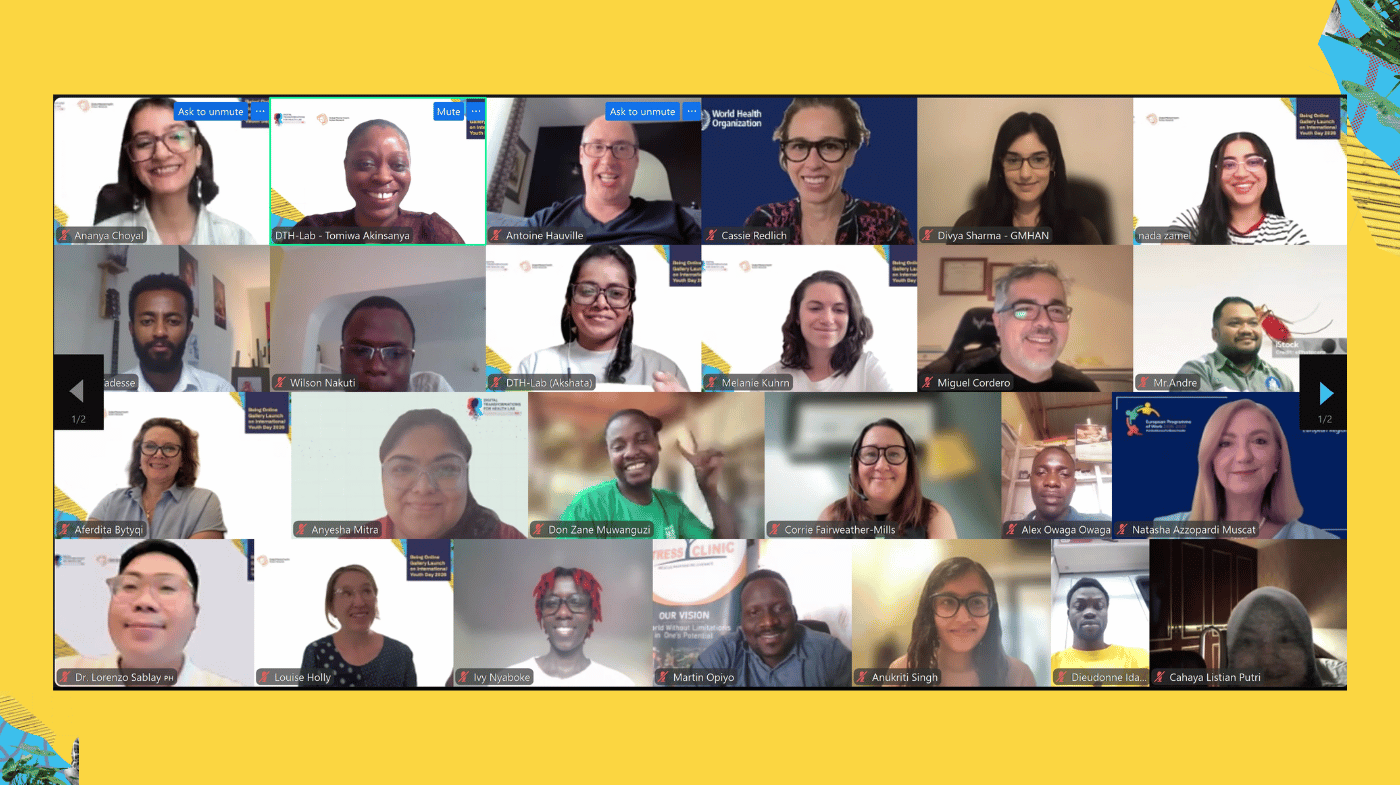
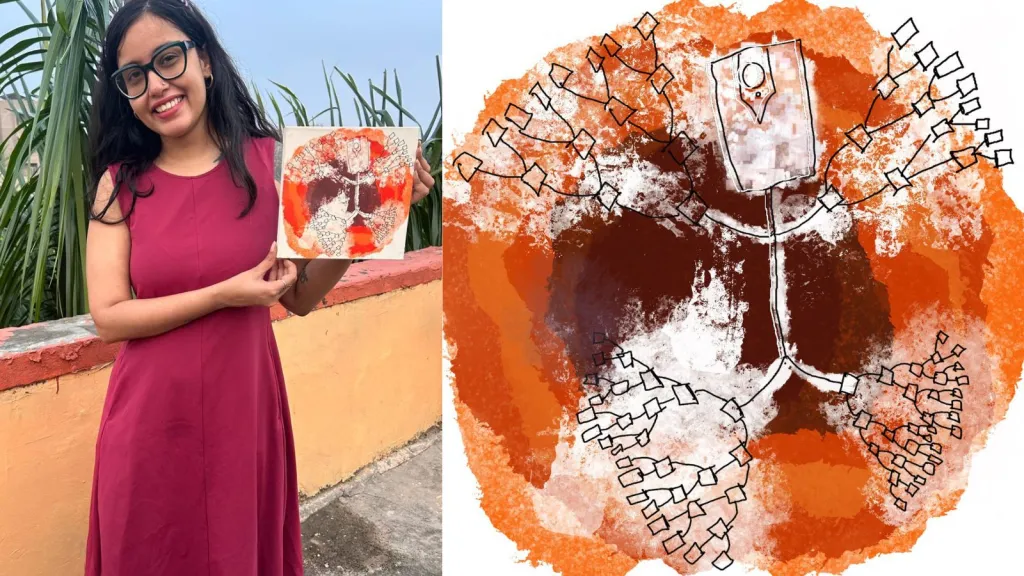
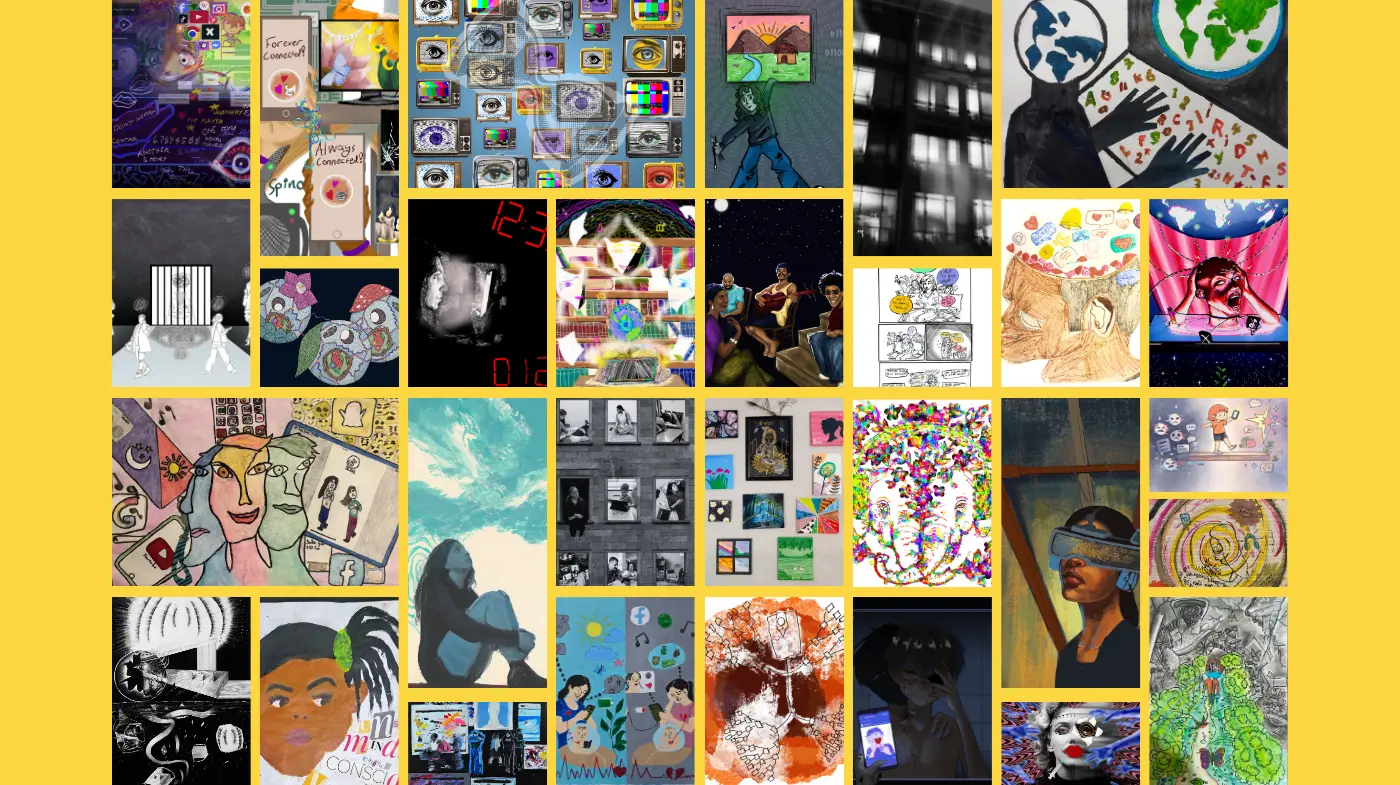

.png)